
India’s real estate sector has evolved into one of the most promising investment destinations in the world. Over the past decade, it has experienced strong and consistent growth driven by urban expansion, economic stability, and policy reforms. These combined forces have significantly increased both domestic and international investor interest.
Urban Growth Driving Housing and Commercial Demand
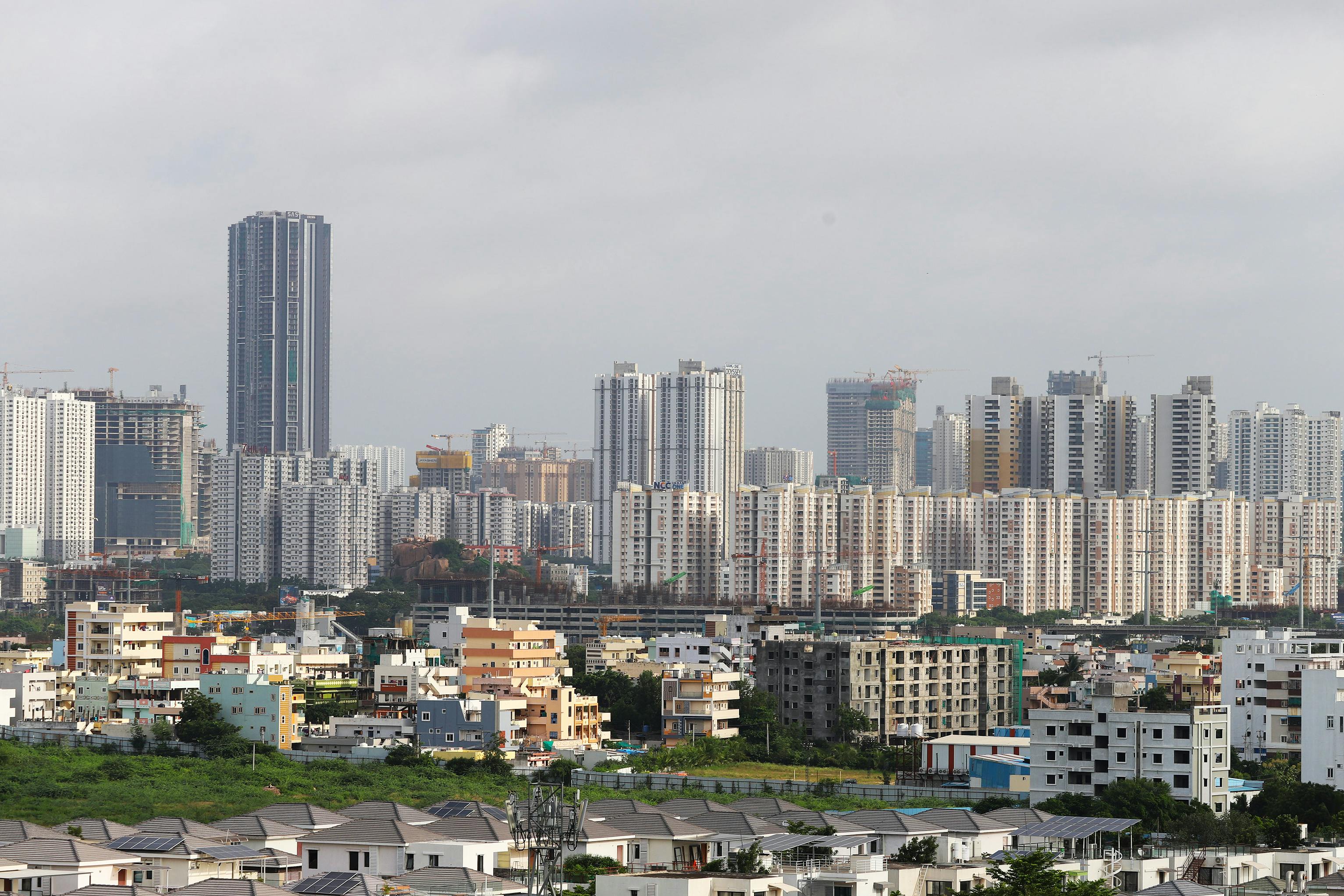
Rapid urbanization is one of the strongest forces shaping India’s real estate landscape. As more people migrate to major cities for education and employment, demand for housing, office spaces, and retail infrastructure continues to rise.
Metropolitan regions such as Bengaluru, Mumbai, and Delhi NCR are witnessing particularly high growth in property development and pricing. This shift reflects a broader transformation toward urban-centric living, where modern infrastructure and lifestyle amenities are becoming essential.
Economic Expansion Strengthening the Property Market
India’s strong economic performance has played a major role in supporting real estate growth. A stable GDP growth rate and expanding middle class have boosted purchasing power and increased demand across residential and commercial segments.
Foreign investment has also contributed to market expansion, as global investors view India as a high-potential destination for long-term returns. The steady growth of industries such as technology, manufacturing, and services further supports demand for modern infrastructure.
Policy Reforms Improving Investor Confidence
Government reforms have significantly improved transparency and efficiency in the real estate sector. Regulatory frameworks have made property transactions more structured and accountable, helping to reduce risks for buyers and investors.
Initiatives focused on affordable housing and infrastructure development have further strengthened the sector. Improved tax systems and simplified approval processes have also encouraged greater participation from both domestic and international investors.
Key Factors Attracting Global Investors
Several factors make India highly attractive to foreign investors. A large young population ensures sustained housing demand, while rising income levels support commercial expansion.
Additionally, India’s strategic geographic position and growing global trade connections make it an important investment gateway in Asia. Investors also benefit from long-term growth opportunities supported by economic and demographic trends.
Types of Major Investors in the Market
India’s real estate sector attracts a wide range of global investors, including private equity firms, institutional funds, and sovereign wealth funds.
Private equity players typically invest in high-value or underdeveloped assets to enhance returns over time. Institutional investors often focus on stable income-generating properties such as office buildings and retail spaces. Sovereign wealth funds, on the other hand, take long-term positions, viewing India as a high-growth market with strong future potential.
Challenges in the Indian Real Estate Sector
Despite strong growth, the market still faces several challenges. Regulatory differences across states can create complexity for investors. Approval delays and legal procedures may also impact project timelines.
Infrastructure gaps in certain regions and uneven development between urban and rural areas further add to investment risks. As a result, careful research and strategic planning are essential before entering the market.
Emerging Trends Reshaping the Industry
The Indian real estate market is undergoing major transformation. Sustainable construction practices are gaining popularity as developers focus on energy efficiency and environmentally friendly designs.
Demand for affordable housing continues to grow, supported by government initiatives and urban migration. At the same time, commercial real estate is expanding rapidly due to the rise of startups, multinational companies, and flexible workspaces.
Strong Investment Performance in Recent Years
Several global investors have already achieved strong returns in India’s real estate sector. Strategic investments in commercial and residential projects have shown that well-planned entry into the market can be highly profitable.
Successful ventures often involve partnerships with local developers, allowing investors to better understand market conditions and reduce operational risks.
Future Outlook of Indian Real Estate
The future of India’s real estate market appears highly promising. Continued urbanization, infrastructure development, and economic growth are expected to drive long-term expansion.
Both residential and commercial segments are likely to see sustained demand. With increasing digital adoption, smarter construction practices, and improved regulations, the sector is expected to become even more attractive to global investors.
Conclusion
India’s real estate market stands at a crucial stage of transformation. Supported by strong economic fundamentals, favorable demographics, and ongoing reforms, it offers significant opportunities for global investors.
As development accelerates, the sector is likely to remain one of the most dynamic and rewarding investment destinations in the world.
