
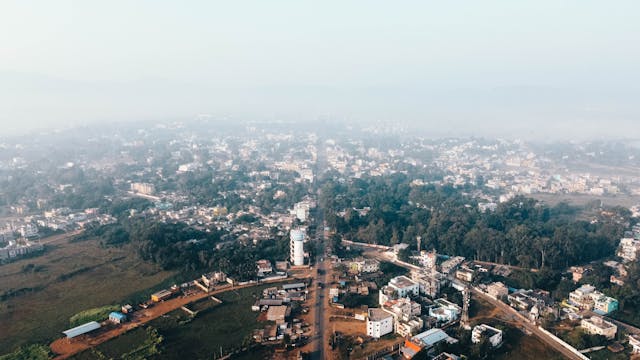
Two Worlds, Unequal Starting Lines
In India, the economic and social landscape is markedly divided between rural and urban areas, leading to significant disparities in opportunities and resources. Urban centers, often characterized by diverse job markets, provide a vast array of employment options across various sectors, such as technology, services, and manufacturing. This employment diversity contributes to a more stable economic framework, attracting both skilled labor and investment. Urban areas also benefit from advanced infrastructure, facilitating ease of access to essential services including education and healthcare, thereby fostering overall community well-being.
Conversely, rural communities face distinct challenges that hinder their socioeconomic growth. A predominant reliance on agriculture leaves rural economies vulnerable to fluctuations in climate and market demands. This dependence not only stifles economic diversification but also restricts financial stability. Furthermore, many rural areas lack the necessary infrastructure, resulting in inadequate access to quality education and healthcare services. This lack of access hinders human capital development and perpetuates cycles of poverty.
The limited digital connectivity in rural regions exacerbates these issues, reducing opportunities for residents to engage with the broader economy. While urban populations experience the benefits of digital advancements and e-governance initiatives, rural dwellers often grapple with barriers that prevent them from accessing online resources and services that could further bridge this gap. Consequently, the digital divide further entrenches the already existing inequalities, leaving rural communities at a disadvantage.
It is crucial to recognize these disparities in socioeconomic conditions as they contribute to the widening chasm between rural and urban India. Addressing these inequalities through targeted policies and infrastructure development can play a vital role in ensuring that rural communities are equipped with the same opportunities that their urban counterparts enjoy.
Poverty and Health: Different Faces of Inequality
Poverty in India manifests uniquely in rural and urban contexts, revealing the multidimensional nature of socioeconomic disparities. In rural areas, poverty is intricately linked to various factors, including inadequate access to healthcare, education, and basic amenities. As such, rural poverty often results in poorer health outcomes, characterized by higher rates of infant mortality and maternal health issues. The lack of infrastructure in these regions compromises not only health services but also educational opportunities, leaving a lasting impact on future generations.
In contrast, urban poverty primarily concentrates in informal settlements, where individuals often live in precarious conditions without stable employment or social safety nets. While urban areas may offer better access to healthcare facilities, the quality and availability of these services can vary significantly. Low-income urban populations frequently face overcrowding, pollution, and inadequate sanitation, which exacerbate health problems. Furthermore, urban poverty is often characterized by a stark lack of access to nutritious food, leading to issues such as malnutrition and diet-related diseases.
The differences in health indicators between rural and urban populations illustrate the complexities of poverty. For example, while rural areas may experience higher rates of under-five mortality due to preventable diseases, urban regions might deal with chronic health conditions arising from lifestyle changes associated with poverty. Such discrepancies necessitate tailored public health strategies that consider the unique challenges faced by each demographic. Initiatives aimed at improving maternal health, improving access to education, and enhancing basic living standards in rural areas must be complemented by urban-focused programs that address the specific health needs of those living in informal sectors. As India continues to develop, understanding these distinctions in poverty and health is crucial for reducing inequality and promoting a more equitable society.
Migration: A Bridge Between Two Worlds
Migration plays a pivotal role in shaping the socioeconomic landscape of India, acting as a bridge that connects the rural backdrop with the bustling urban centers. The trend of rural-to-urban migration, largely driven by economic opportunities, educational prospects, and the quest for improved living standards, has been a significant phenomenon in recent decades. Young individuals and families are increasingly leaving their villages in search of better livelihoods, fueling the growth of urban economies.
Circular migration has emerged as a notable aspect of this dynamic, where individuals move back and forth between rural and urban areas. This pattern not only allows migrants to secure jobs in cities but also facilitates the continuous exchange of skills and resources. For many, this flexibility is essential for sustaining connections to their rural origins while simultaneously participating in the urban labor market. The resultant interaction between these two distinct economies fosters a unique interdependence that is crucial for both communities.
One of the most significant outcomes of migration is the flow of remittances, which plays a vital role in supporting rural households. Money sent back home by migrants often contributes to the improvement of living standards, healthcare, and education for their families. As migrants seek to uplift their loved ones, these financial transfers create a foundation for development in rural areas. Additionally, increased remittances can stimulate local economies by driving consumption and investment.
This evolving relationship between rural and urban regions underscores the potential for collaborative growth. The exchange of labor and resources encourages resilience among rural households while simultaneously contributing to urban development. As migration continues to shape the fabric of India’s demographic landscape, it is essential to acknowledge its significance in bridging these two worlds.
Towards a New Narrative: Opportunities for Inclusive Development
The socioeconomic divide between rural and urban areas in India has long been a subject of concern, prompting calls for solutions that embrace both settings. It is imperative to adopt a forward-looking perspective that emphasizes inclusive development strategies, ensuring that both rural and urban regions can thrive symbiotically. Central to this vision is the enhancement of essential infrastructure, which serves as a backbone for economic growth and social equity.
Improving infrastructure, such as transportation, communications, and utilities, is crucial for linking rural communities with urban markets. This integration will facilitate the movement of goods and services, thereby boosting local economies. Additionally, fostering Public-Private Partnerships (PPPs) can enhance resource mobilization and attract investment to underdeveloped areas, making rural regions more appealing for businesses and enhancing job opportunities.
Moreover, access to quality education and healthcare must be prioritized to empower individuals across these demographics. Implementing policies aimed at reducing educational disparities ensures that children from rural backgrounds can access the same quality of education as their urban counterparts. This equality will cultivate a more knowledgeable and skilled workforce, driving innovation and economic development.
Healthcare access also plays a vital role in the quality of life for individuals in rural areas. Promoting telemedicine and mobile healthcare units can bridge the gap in service delivery, ensuring that all citizens receive essential medical attention regardless of their geographic location. Coupled with initiatives to promote sustainable livelihoods, such as skill development programs and microfinance, these efforts can significantly reduce poverty and enhance social mobility.
In conclusion, the narrative surrounding rural and urban dynamics in India should shift from one of division to one of unity. By implementing policies that foster inclusive development, it is possible to create a future where both rural and urban areas of India contribute to a thriving economy, enjoy equitable access to resources, and uplift each other collectively.