Modern Living in 2026
As we move into 2026, modern living is undergoing a transformation shaped by technological advancements, shifting lifestyles, and evolving societal norms. These changes are influencing how people interact with their environments, make housing decisions, and prioritize comfort, convenience, and sustainability in their daily lives.
The Rise of Technology in Homes
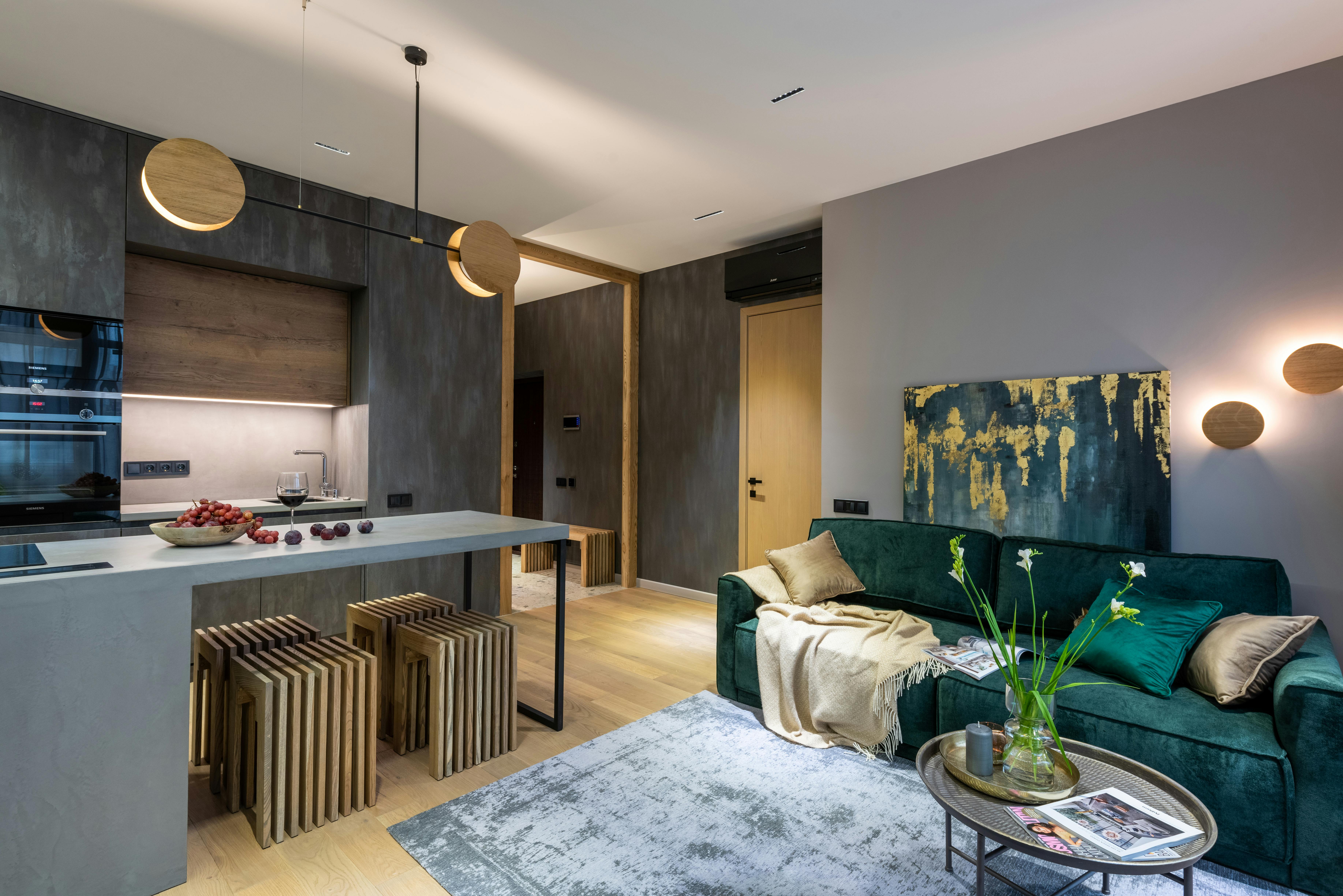
One of the most significant drivers of modern living is the integration of technology into residential spaces. Smart homes and Internet of Things (IoT) devices are becoming increasingly common, enabling residents to control lighting, security, temperature, and appliances remotely. These innovations enhance convenience, efficiency, and security while supporting energy conservation.
Sustainable technology is also influencing home design. Energy-efficient systems, eco-friendly materials, and renewable energy solutions are increasingly essential considerations for homebuyers. As consumers become more environmentally conscious, properties that combine smart features with sustainability are gaining a competitive edge.
Evolving Lifestyle Preferences
Societal shifts, particularly urbanization and the rise of remote work, are reshaping housing demands. Multi-use developments that integrate living spaces with amenities such as retail, recreation, and coworking areas are becoming more popular. Meanwhile, homes with dedicated office spaces are now highly sought-after as professionals continue to work from home.
Understanding these trends is vital for buyers, investors, and developers. Properties that meet the evolving needs of residents whether through technology, design, or location are likely to see higher demand and value.
Smart Homes and Integrated Technologies
Smart home technology has become a defining feature in the real estate market. Devices like smart thermostats, lighting systems, security cameras, and home assistants allow homeowners to manage their properties efficiently. Homes with integrated technology not only provide convenience but can also reduce energy consumption by up to 30%, appealing to eco-conscious buyers.
Remote control and automation features enhance security and comfort. Smart locks, surveillance cameras, and mobile apps enable homeowners to monitor their properties from anywhere. Properties equipped with advanced smart systems are increasingly commanding a premium, highlighting that technology is no longer optional but a standard expectation for modern living.
Sustainable Living and Eco-Friendly Real Estate
Environmental responsibility is now a core consideration in real estate. Sustainable housing practices, including the use of renewable materials, energy-efficient designs, and green certifications like LEED, are driving buyer decisions. Homes built with bamboo, reclaimed wood, and recycled materials minimize environmental impact while delivering long-term utility savings.
Developers are responding by offering eco-conscious projects that align with consumer values. Technological innovations such as solar energy, smart appliances, and water-efficient systems further enhance sustainability, making green living increasingly accessible and attractive.
Urban vs. Suburban Preferences
The COVID-19 pandemic accelerated a shift from dense urban centers to suburban and semi-urban areas. With remote work becoming mainstream, buyers prioritize spacious homes, flexible layouts, and proximity to amenities like schools, healthcare facilities, and recreational spaces.
Suburban mixed-use developments, which combine residential units with retail and community spaces, are emerging as a desirable alternative to traditional city living. These developments balance convenience with a higher quality of life, catering to families and professionals seeking space, tranquility, and access to essential services.
Remote Work and Housing Dynamics
Remote work has reshaped housing priorities. Homebuyers increasingly seek properties with dedicated office spaces, adaptable layouts, and environments conducive to productivity. This trend has fueled demand for larger homes in suburban and rural areas, while secondary markets are seeing renewed interest.
The blending of work and home life has transformed real estate dynamics, prompting developers to design flexible, functional living spaces that accommodate diverse lifestyle needs.
Aging Population and Accessible Housing
An aging population is driving demand for homes designed with accessibility in mind. Universal design features such as single-level living, wider doorways, and wheelchair-friendly layouts are becoming standard. Multi-generational living is also gaining traction, with homes offering separate spaces for extended families while maintaining connectivity and support.
Senior-focused housing developments now emphasize social engagement, wellness programs, and proximity to healthcare services. These communities cater to the needs of older adults while promoting active, fulfilling lifestyles.
Community-Centric and Mixed-Use Developments
Community-focused planning is shaping the future of urban living. Mixed-use developments that combine residential, commercial, and recreational spaces foster vibrant, walkable neighborhoods. Green spaces, parks, and communal amenities encourage social interaction and enhance the overall quality of life.
These developments strengthen community ties and provide convenience, reducing the need for long commutes while supporting local businesses and cultural activities.
Economic Factors and Real Estate
Economic conditions continue to influence the housing market. Interest rates, inflation, and broader economic trends impact affordability, financing, and property values. Low interest rates drive demand, while rising costs or economic uncertainty can slow the market. Investors and buyers must consider these factors when making decisions, ensuring alignment with long-term financial goals.
Conclusion
Modern living in 2026 is defined by technology, sustainability, adaptability, and lifestyle-focused design. The shift toward smart, eco-friendly homes, suburban preferences, remote work accommodations, and community-centric developments reflects evolving priorities for homebuyers and investors alike.
Developers and real estate professionals who understand these trends and embrace innovation will be well-positioned to meet the demands of modern residents. By prioritizing flexibility, wellness, and environmental responsibility, the industry can create spaces that not only meet practical needs but also enhance the overall quality of life.