
Over the past two decades, co-working spaces have transformed the way professionals approach work. These shared environments, characterized by flexibility, collaboration, and community, offer an alternative to traditional office setups. From freelancers and startups to established enterprises, co-working spaces are reshaping the modern workplace.
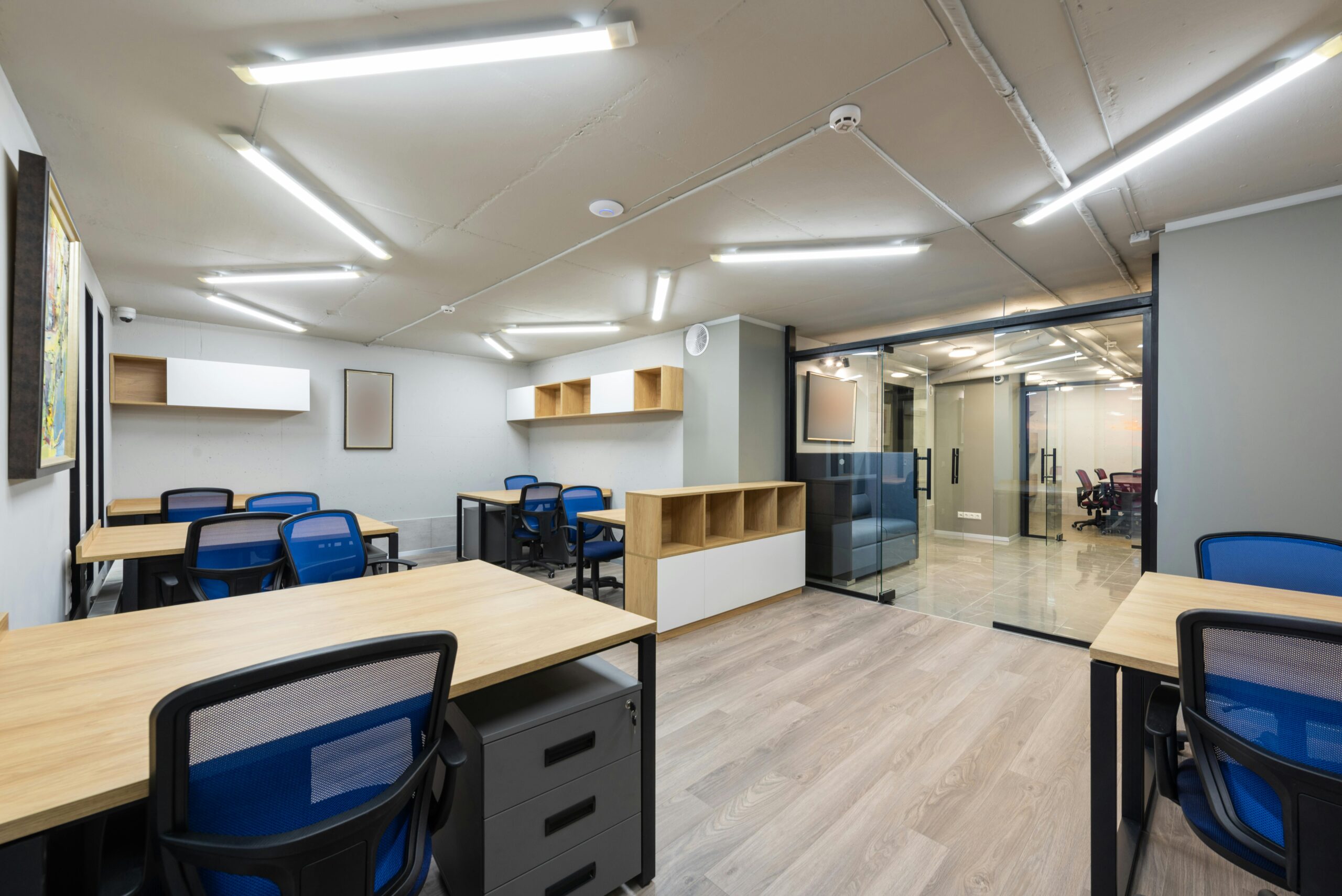
- Shift in Leasing Models: The rise of flexible, short-term, or pay-as-you-use models has replaced conventional long-term contracts, enabling businesses to easily scale up or down.
- Design and Amenities Revolution: CRE is moving away from cubicles toward open-plan, aesthetically pleasing spaces with high-speed internet, meeting rooms, and collaborative areas.
- Asset Repurposing and Value Enhancement: Underutilized or vacant commercial properties are being converted into vibrant, thriving hubs, enhancing the value of the underlying real estate.
- Attracting Corporate Tenants: While initially for startups and freelancers, co-working spaces now attract large corporations using “hub and spoke” strategies, increasing the overall share of office leasing for flexible operators.
- Investment and Risk Mitigation: Financial institutions view co-working spaces as stable, long-term investments due to diversified tenant bases, reducing the risk associated with single-tenant leases.
- Operational Changes: Property managers are now focusing on tenant experience, community building, and amenities to retain occupants, shifting from traditional landlord-tenant relationships.
Origins and Growth
The concept of co-working gained traction in the early 2000s, with the first spaces emerging in San Francisco to cater to freelancers and digital nomads. These environments prioritized networking and resource sharing, fostering a sense of community that traditional offices often lack. As technology advanced and remote work became more feasible, co-working spaces expanded globally, attracting a diverse range of professionals seeking flexibility and efficiency.
Drivers of Popularity
Several factors have fueled the surge in co-working spaces:
-
Flexibility: Members can choose memberships based on their needs, whether it’s a hot desk, dedicated office, or meeting room access.
-
Community and Networking: Co-working spaces encourage collaboration, networking events, and workshops, often leading to business partnerships.
-
Cost Efficiency: Startups and small businesses can avoid long-term lease commitments and costly infrastructure expenses.
-
Technology Integration: Modern co-working spaces are equipped with high-speed internet, cloud-based tools, and video conferencing facilities, catering to a tech-savvy workforce.
Impact on Commercial Real Estate
The rise of co-working spaces has had a profound effect on the commercial real estate (CRE) sector:
-
Shift in Leasing Patterns: Traditional long-term leases are being replaced by flexible, short-term agreements. CRE developers and landlords are adapting by offering spaces tailored for co-working providers.
-
Increased Demand in Prime Locations: Central business districts (CBDs) see heightened demand for shared office spaces as startups and small businesses seek prestigious addresses without high costs.
-
Diversification of Revenue Streams: Property owners are monetizing underutilized spaces by leasing to co-working operators, generating stable, alternative income.
-
Redefinition of Office Design: The focus is now on open layouts, communal zones, and modular designs, influencing new commercial developments and renovations.
Challenges and Considerations
Despite their popularity, co-working spaces present challenges for the CRE sector:
-
Market Saturation: An influx of operators in major cities can lead to intense competition and fluctuating occupancy rates.
-
Regulatory Compliance: Adapting existing commercial properties for co-working requires adherence to zoning, safety, and labor regulations.
-
Economic Sensitivity: Co-working demand can be influenced by economic downturns, as startups and freelancers reduce operational expenses.
The Future of Workspaces
As organizations embrace hybrid and remote work models, co-working spaces are poised to remain an integral part of the office ecosystem. CRE developers increasingly view them not as temporary trends but as strategic assets, blending flexibility, community, and innovation into the urban landscape.
Conclusion
co-working spaces are redefining how we perceive work and office environments. Their rise is reshaping commercial real estate, encouraging a more flexible, collaborative, and adaptive approach to urban workplaces. For investors, developers, and professionals alike, the evolution of co-working spaces offers opportunities to innovate, connect, and thrive in an ever-changing business world.