
The Impact of Infrastructure Development on Property Rates
Infrastructure development plays a decisive role in determining property values across regions. From transportation networks and utilities to social amenities like schools and hospitals, infrastructure shapes how livable, accessible, and desirable an area becomes. As infrastructure projects evolve, they often trigger noticeable shifts in real estate demand, influencing property prices either positively or negatively.
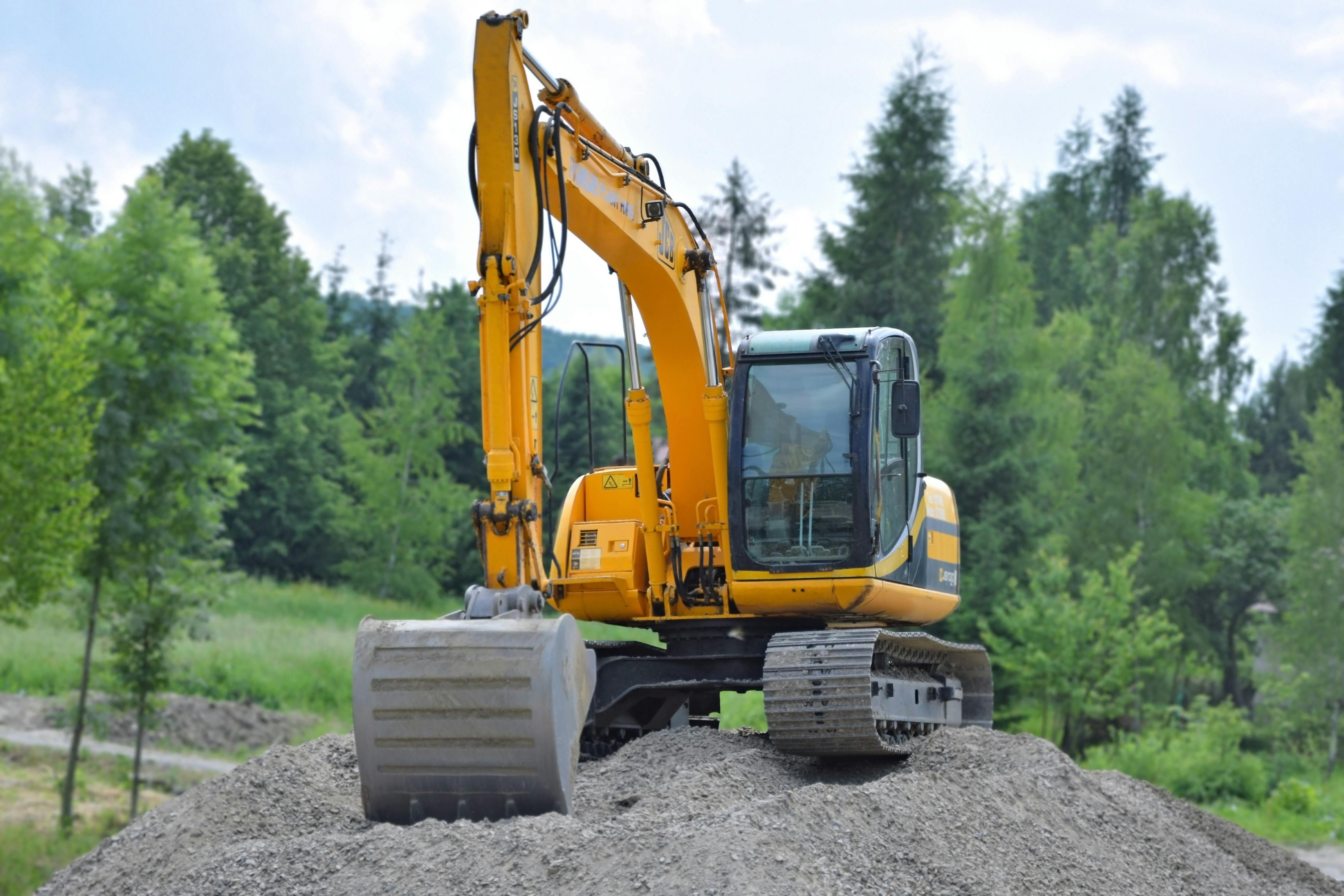
Well-developed infrastructure enhances convenience and connectivity. Improved roads, metro systems, and public transport options reduce travel time and increase accessibility, making neighborhoods more attractive to buyers and renters. In contrast, inadequate or poorly maintained infrastructure can discourage settlement, leading to stagnation or decline in property values. For investors, homeowners, and urban planners alike, understanding this relationship is essential to making informed decisions.
What Is Infrastructure Development?
Infrastructure development refers to the planning, construction, and upgrading of essential physical and organizational systems that support economic and social activity. These systems include transportation, utilities, communication networks, and public services that collectively enable cities and communities to function efficiently.
Transportation infrastructure—such as highways, railways, airports, and mass transit—forms the backbone of urban mobility. Enhanced connectivity not only improves daily commuting but also encourages commercial activity and population growth. Alongside transportation, utility infrastructure like water supply, electricity, sewage systems, and digital connectivity is critical for sustaining residential and commercial development. Public services, including education, healthcare, and emergency facilities, further strengthen the foundation of thriving communities.
When these elements are strategically planned and integrated, they significantly increase the long-term value of surrounding properties.
Key Infrastructure Types That Influence Property Values
Different forms of infrastructure impact property rates in distinct ways:
Transportation Infrastructure:
Roads, highways, metro lines, and bus networks directly affect accessibility. Properties located near efficient transport hubs typically command higher prices due to reduced commute times and improved convenience.
Utility Infrastructure:
Reliable access to water, electricity, gas, and internet services is fundamental. Areas with stable and modern utility networks are more attractive to buyers and investors, resulting in stronger property demand.
Social Infrastructure:
Schools, colleges, hospitals, parks, and recreational facilities greatly influence residential choices. Neighborhoods with quality educational and healthcare institutions often experience sustained property value growth, particularly among families.
Together, these infrastructure types create a supportive ecosystem that drives real estate appreciation.
Infrastructure Projects and Their Effect on Property Values: Real-World Insights
Infrastructure projects have consistently demonstrated their ability to reshape property markets. For instance, expansions of urban metro networks in major cities have led to sharp increases in property prices near new stations, as improved mobility enhances demand. In many cases, residential values have risen by double-digit percentages following such developments.
However, outcomes are not always uniformly positive. Large highway projects, while improving connectivity, can sometimes introduce challenges such as noise, congestion, or pollution. In certain neighborhoods, these factors have offset initial gains, causing property values to stabilize or decline over time. This highlights the importance of balanced planning and long-term impact assessment.
Economic Factors That Shape Property Rates Alongside Infrastructure
Infrastructure alone does not determine property values; broader economic conditions play an equally important role.
Employment Growth:
Infrastructure projects often create jobs, both during construction and after completion. Higher employment levels increase housing demand, pushing property prices upward.
Local Economic Performance:
Regions experiencing economic expansion tend to attract businesses and residents, amplifying the positive effects of infrastructure on property values. Conversely, economic slowdowns can limit these benefits.
Demographic Shifts:
Population growth, urban migration, and changing lifestyle preferences influence housing demand. Improved infrastructure often attracts young professionals and families, leading to rising property rates in well-connected areas.
The Role of Urban Planning in Infrastructure Integration
Effective urban planning is essential for maximizing the benefits of infrastructure development. Strategic land-use planning ensures that residential, commercial, and industrial zones are developed in harmony with transportation and utility networks.
Zoning regulations help manage density and prevent overcrowding, while stakeholder engagement ensures that infrastructure projects align with community needs. Involving residents, businesses, and policymakers early in the planning process promotes transparency and long-term success. Additionally, integrating green spaces and sustainable design enhances neighborhood appeal and supports steady property value growth.
Challenges and Risks Associated with Infrastructure Development
Despite its benefits, infrastructure development comes with challenges. Zoning disputes can delay projects, increasing costs and creating uncertainty in property markets. Financing large-scale infrastructure initiatives can also be complex, especially when economic conditions fluctuate or funding sources become limited.
Another risk is gentrification. While infrastructure upgrades can raise property values, they may also increase living costs, potentially displacing long-term residents. Such shifts can lead to market volatility and social tensions if not managed carefully.
Addressing these risks requires inclusive planning, financial transparency, and policies that balance growth with affordability.
Long-Term Trends and Future Outlook
Looking ahead, infrastructure development is expected to increasingly focus on sustainability and technology. Smart city initiatives—using data and digital tools to improve transportation, energy use, and public services—are redefining urban living and influencing property values.
The shift toward renewable energy infrastructure and eco-friendly construction is also gaining momentum. Properties that align with sustainability goals are becoming more desirable, especially as environmental awareness grows. Additionally, mixed-use developments that combine residential, commercial, and recreational spaces are emerging as a preferred urban model, further driving property demand.
These trends suggest that infrastructure will continue to be a key driver of property rates well into the future.
Conclusion
Infrastructure development and property rates are deeply interconnected. Well-planned infrastructure enhances accessibility, livability, and economic opportunity, all of which contribute to rising property values. However, the success of such development depends on strategic planning, economic conditions, and community engagement.
By prioritizing sustainable, inclusive, and future-ready infrastructure, policymakers and developers can ensure long-term benefits for both property markets and residents. Continuous evaluation and adaptive planning will remain essential as cities evolve and real estate dynamics shift.