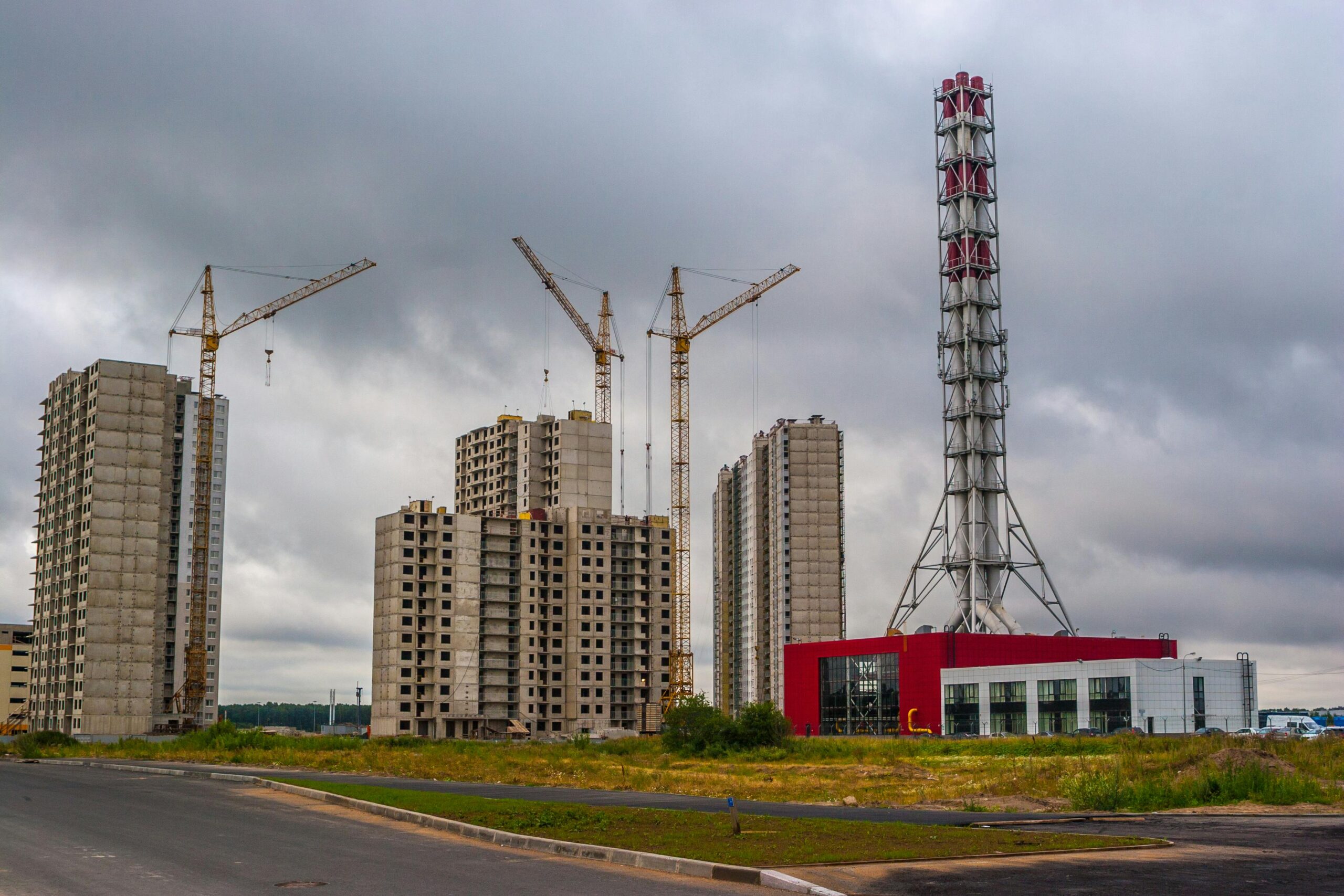
Infrastructure is a key driver of real estate value, serving as the foundation of thriving communities and enhancing the attractiveness of properties. It includes transportation networks, utilities, and digital connectivity—all of which play a significant role in determining property demand and investment potential. The quality and accessibility of infrastructure directly impact how desirable a location is for residents, businesses, and investors.
How Infrastructure Influences Property Value
Transportation: Roads, highways, railways, airports, and public transit systems are essential for connectivity. Properties with easy access to these networks are often in higher demand, as convenient commuting improves quality of life and business operations. Accessibility is a major factor in property valuation, with well-connected locations typically commanding premium prices.
Utilities: Reliable access to water, electricity, gas, and waste management is vital for daily life and commercial activity. Modern and efficient utilities increase property appeal, while outdated or insufficient systems can deter potential buyers.
Digital Connectivity: High-speed internet and strong mobile networks are no longer luxuries—they are necessities. Areas with robust digital infrastructure attract professionals who work remotely, tech businesses, and younger demographics, boosting both residential and commercial property values.
Economic Benefits of Infrastructure Development
Infrastructure investments stimulate economic growth and enhance real estate markets. Upgraded transit systems, roads, and utilities improve accessibility, attract new residents, and support local businesses. For example, Portland, Oregon, saw property values rise by up to 25% following the introduction of light rail transit. Similarly, road expansions in suburban areas often boost local economies and real estate demand, creating favorable conditions for long-term investment.
Infrastructure and Property Valuation
When evaluating real estate, location, accessibility, and available amenities are critical. Properties in well-connected, infrastructure-rich areas tend to command higher prices. Accessibility to parks, shopping centers, schools, and healthcare facilities further enhances property value. Consequently, infrastructure quality is a central component in accurate property valuation and investment decisions.
Infrastructure Transforming Real Estate Markets
-
New York City, 7 Line Subway Extension: Property values around Hudson Yards rose significantly after the new subway line improved accessibility.
-
California High-Speed Rail: Anticipated rail connectivity has sparked real estate investment in cities like Fresno and Bakersfield, with expected long-term value growth.
-
Austin, Texas, Interstate 35 Expansion: Improved traffic flow and accessibility have increased property prices in key neighborhoods, attracting tech professionals and developers.
The Role of Government
Government involvement at the local, state, and federal levels is essential for infrastructure development. Investments in roads, public transit, utilities, and community amenities directly impact real estate markets. Public-private partnerships (PPPs) are increasingly used to fund large-scale projects efficiently. Smart city initiatives and sustainable infrastructure investments further enhance property value by promoting livable, connected, and environmentally conscious urban spaces.
Challenges in Infrastructure Development
Despite its benefits, infrastructure projects face challenges such as budget overruns, logistical issues, and potential community displacement. Delays or cost escalations can negatively affect property values and investor confidence. Effective planning, community engagement, and thorough market analysis are essential to mitigate risks and ensure projects contribute positively to real estate growth.
Trends Shaping Real Estate
-
Sustainability: Green building practices and energy-efficient infrastructure are becoming key determinants of property value.
-
Smart Technology: IoT-enabled infrastructure, smart grids, and automated public services enhance urban efficiency, attracting residents and businesses.
-
Remote Work Impact: Flexible work trends are shifting demand toward suburban and rural properties with better living spaces and connectivity.
Conclusion
Infrastructure is a fundamental determinant of real estate value. Well-planned transportation, utilities, and digital networks increase property desirability and market stability, while inadequate infrastructure can suppress growth. Investors, developers, and policymakers must prioritize infrastructure planning to foster sustainable communities and maximize real estate returns. Understanding the link between infrastructure and property value enables smarter, future-ready investment strategies that support long-term economic growth.