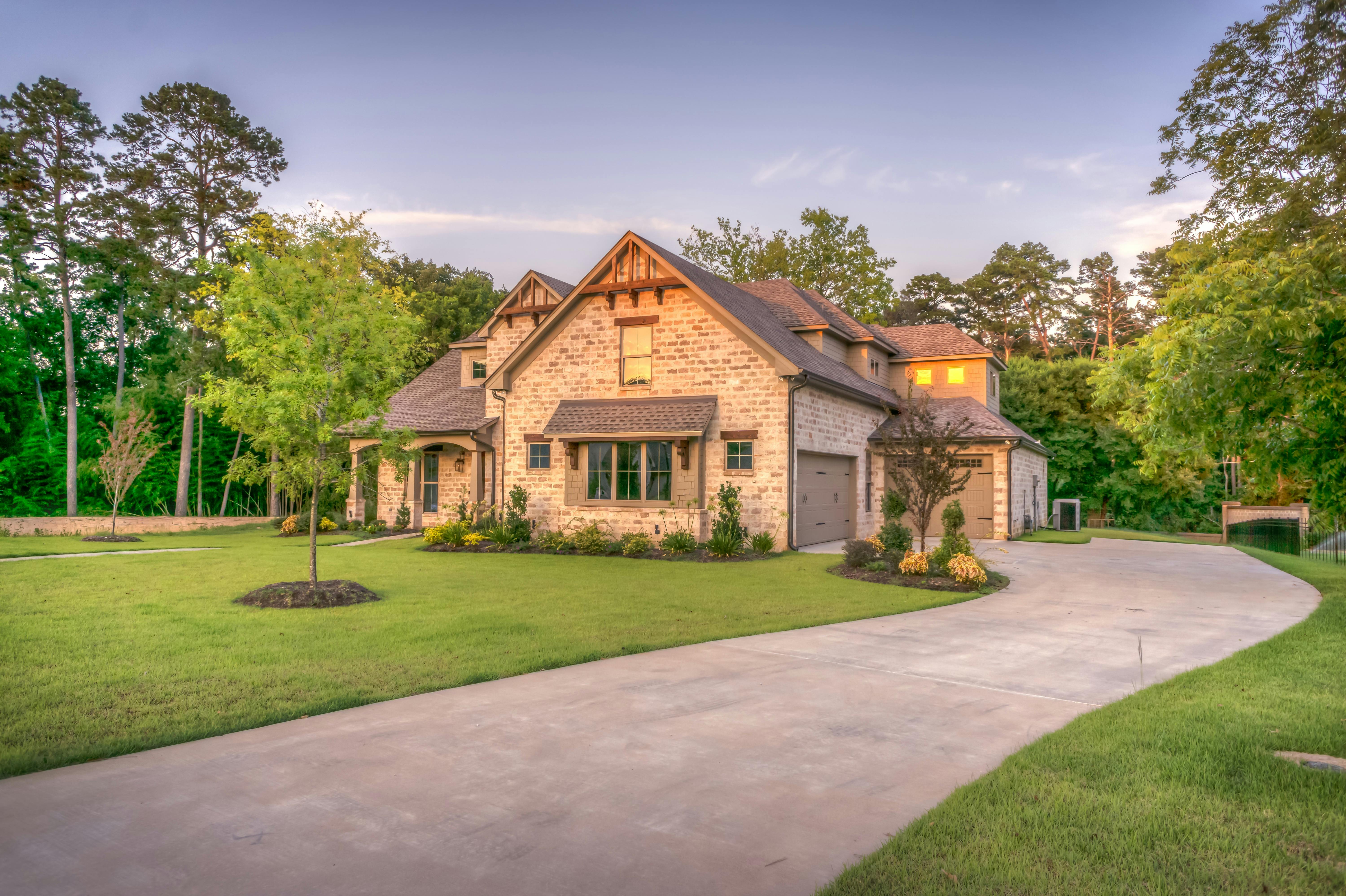
The adage “location, ” remains central in real estate because the geographical positioning of a property significantly affects its value. Beyond physical appeal, location determines access to essential services and amenities. Urban properties, for instance, often command higher prices due to proximity to employment hubs, public transport, schools, healthcare, and cultural facilities, while rural properties may offer more space, privacy, and tranquility but generally at a lower cost.
The Biological Basis of Location Value
A property’s location is influenced not just by its address but by the surrounding environment. Topography, climate, and environmental quality contribute to desirability. Homes near waterfronts, scenic landscapes, or regions with mild climates often retain higher values. Unique features, such as historical significance or distinct architecture, can further enhance property appeal. Easy access to major roads or public transit adds practical value, attracting buyers who prioritize convenience and efficient commuting.
Urban vs. Rural: Evaluating Property Worth
Urban properties benefit from dense infrastructure and a vibrant community atmosphere, driving consistent demand and price appreciation. Yet, city living often comes with challenges like traffic congestion and higher noise levels. Rural properties, while typically more affordable, offer space, privacy, and a slower pace of life. With the rise of remote work, many homebuyers are exploring rural and suburban areas, seeing them as opportunities for quality living and potential long-term property appreciation.
Local Amenities and Community Appeal
Proximity to parks, shopping centers, restaurants, schools, and healthcare facilities is a major driver of property value. Green spaces encourage outdoor activity and social interaction, enhancing lifestyle and community engagement. Access to good schools and healthcare increases demand among families and retirees, while nearby shopping and dining create a lively, convenient environment, often commanding higher property prices.
Environmental Factors: Nature and Safety Matter
The natural environment surrounding a property greatly influences its market worth. Scenic views, lush greenery, and favorable climates enhance desirability, while regions prone to natural disasters—such as floods, earthquakes, or hurricanes—may see property values decline. Insurance costs, risk perception, and safety concerns all contribute to the overall valuation of a property.
Neighborhood Dynamics: Gentrification and Growth
Neighborhood trends, such as gentrification, can significantly impact property values. Influxes of wealthier residents often drive redevelopment, improve infrastructure, and elevate local property prices. However, these shifts can also displace long-term residents and alter community character, highlighting the need to consider both the economic and social effects of neighborhood transformations when evaluating real estate investments.
Economic Conditions and Property Worth
Local economic factors—including employment rates, population growth, and investment in infrastructure—play a crucial role in property valuation. Strong job markets and rising populations boost housing demand, pushing prices upward. Conversely, economic downturns and stagnant populations can depress property values. Investments in schools, transportation, and public amenities also enhance a location’s desirability, creating long-term appreciation potential.
Technology and Location in the Modern Era
Technological advancements are reshaping perceptions of location. Remote work has reduced the necessity of living in dense urban centers, increasing demand for suburban and rural properties. Smart city initiatives, including high-speed internet, eco-friendly infrastructure, and intelligent transportation systems, further enhance property values by improving quality of life. Tools and platforms that provide neighborhood insights allow buyers and investors to make informed decisions based on both amenities and connectivity.
Conclusion: Location as a Strategic Factor
Location remains a foundational element of real estate value. Proximity to amenities, neighborhood stability, environmental quality, and technological infrastructure all influence property prices. Future trends such as telecommuting, suburban growth, and advancements in transportation may redefine traditional perceptions of prime locations. Investors and homebuyers who understand the evolving dynamics of location will be better positioned to make informed decisions and maximize property value over time.