
Affordable housing projects are crucial to the future of urban development, driven by rapid urbanization and the need for inclusive growth. Expected to grow at a 25% CAGR in India, these projects leverage technology sustainable green building standards and public-private partnerships to meet massive demand in tier-II/III cities.
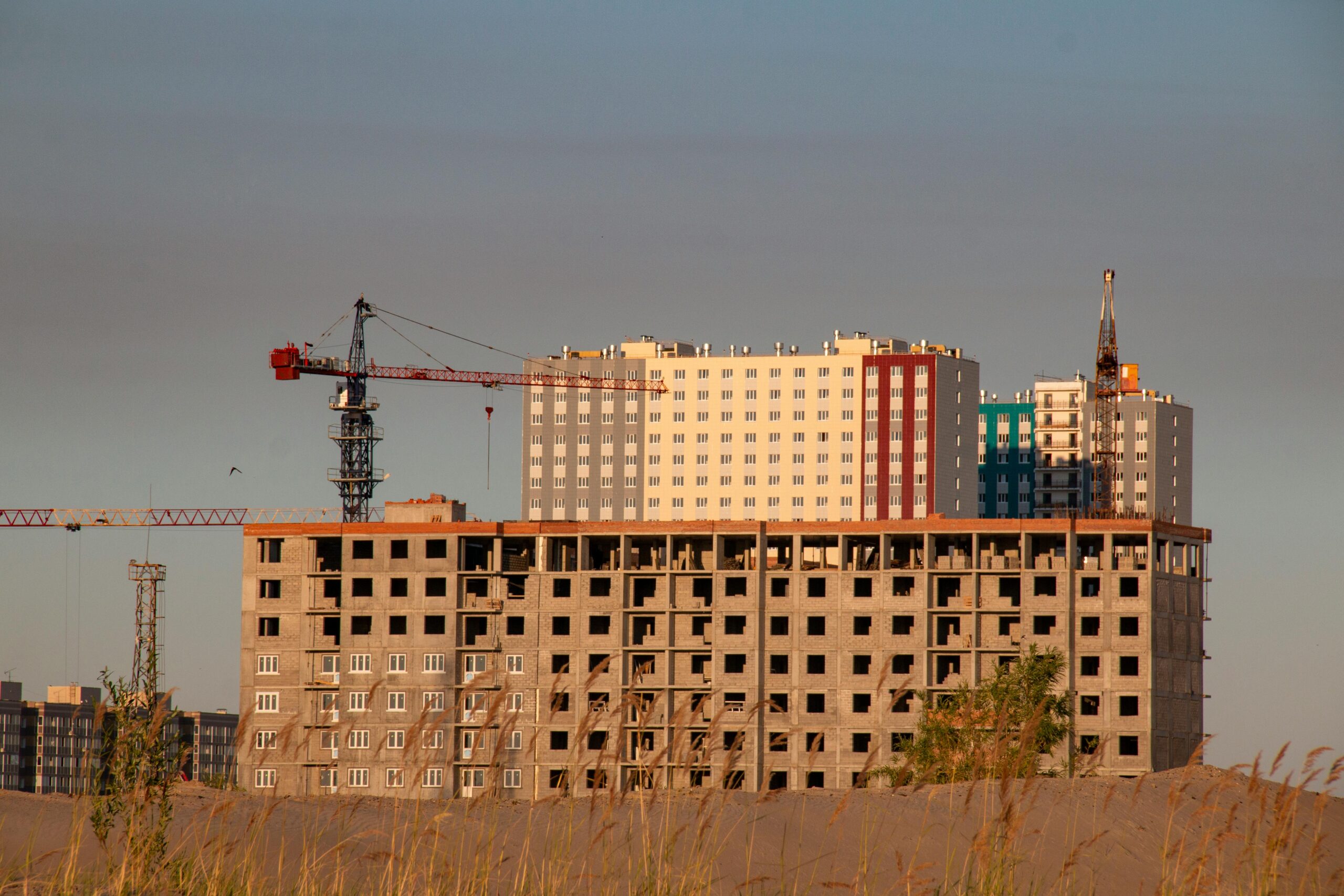
What Is Affordable Housing?
Affordable housing is more than a shelter—it is a gateway to dignity, stability, and opportunity. It refers to housing that is priced within reach for low- and middle-income groups without compromising essential living needs. Affordability is determined by income levels, local housing costs, and the surrounding infrastructure.
In India, the government defines affordable housing through programs like the Pradhan Mantri Awas Yojana (PMAY), which considers carpet area, household income, and loan eligibility to determine who qualifies for financial assistance.
Why Affordable Housing Matters
Affordable housing is vital for social and economic growth. It ensures better living conditions, access to education and healthcare, and economic stability for families. By enabling people to invest in their future, it reduces inequality and contributes to national GDP growth.
The shortage of urban housing in India is significant: in 2021, over 10 million urban housing units were needed, predominantly for the Economically Weaker Sections (EWS) and Low-Income Groups (LIG). Affordable housing not only addresses shelter but also improves well-being, safety, and opportunities for millions of citizens.
Key Challenges in Affordable Housing
Despite government initiatives, several barriers hinder the development of affordable housing in India:
-
High Land Costs: Urban land is expensive, often pushing affordable projects to city outskirts, far from employment and transport hubs.
-
Approval Delays: Inconsistent management, zoning regulations, and bureaucratic hurdles increase project timelines and costs.
-
Limited Finance Options: Many middle-class families cannot access formal credit, and high interest rates from private institutions make loans unaffordable.
-
Poor Infrastructure: Peripheral locations may lack roads, water supply, electricity, and sewage systems, reducing the liveability of homes.
-
Low Developer Incentives: Margins in affordable housing are often low, discouraging private builders without subsidies or incentives.
Government Initiatives Supporting Affordable Housing
Several government programs aim to promote affordable housing in India:
-
Pradhan Mantri Awas Yojana (PMAY): Launched in 2015, PMAY seeks to provide housing for all by 2022 through credit-linked subsidies, land-use reforms, and developer support. Over 1.2 crore houses have been sanctioned under this scheme.
-
Smart Cities Mission: Integrates affordable housing with urban development, digital infrastructure, and inclusive planning.
-
Interest Subsidy Schemes: Reduce EMI burdens for low-income homebuyers.
-
State-Level Policies: States like Maharashtra, Tamil Nadu, and Gujarat have bespoke housing schemes aligned with central initiatives for better outcomes.
Innovative Construction Materials
Designers are embracing sustainable and cost-effective materials for affordable housing:
-
Precast Concrete: Modular and fast to construct, reducing labor and project timelines.
-
Fly Ash Bricks: Made from industrial waste, eco-friendly, and cost-effective.
-
Stabilized Mud Blocks: Insulating, low-carbon material suitable for rural homes.
-
Bamboo and Timber: Locally sourced, sustainable, and culturally relevant.
Smart Design Solutions
Innovative designs improve affordability and livability:
-
Compact Layouts: Efficient floor plans maximize space and airflow.
-
Modular Housing: Prefabricated units allow rapid construction and future expansion.
-
Passive Cooling Techniques: Overhangs, shaded windows, and natural ventilation reduce energy costs.
-
Mixed-Use Developments: Combining residential, commercial, and social spaces improves convenience and economic opportunities.
Exemplary Affordable Housing Projects in India
-
Tiny Farm Fort, Rishikesh: A 600 sq. ft. eco-home using mud, straw, stone, and wood. Developed by volunteers, it employs traditional cob-building methods and serves as a homestay and learning space.
-
Aranya Housing, Indore: Designed by Pritzker laureate B.V. Doshi, it spans 86 hectares and houses 80,000 families through an incremental housing model, promoting community engagement and sustainability.
-
New Haven, Boisar: Developed by Tata Housing, it offers 1–2.5 BHK flats for low- and middle-income families, with recreational spaces and excellent connectivity.
-
Incremental Housing, Belapur, Navi Mumbai: Designed by Charles Correa, this project follows an incremental expansion model, blending indoor and outdoor spaces and fostering community interaction.
-
BDI Ambaram, Bhiwadi: Conceptualized by Anand Sharma, it uses modular construction, optimized ventilation, and green spaces to provide cost-effective, comfortable living.
The Future of Affordable Housing in India
India’s affordable housing journey is evolving rapidly. Technology such as AI, drones, and BIM (Building Information Modeling) will enhance planning and reduce construction waste. Green certifications like GRIHA and IGBC will become benchmarks for sustainable projects. Collaboration between governments and private developers is essential to expand access and maintain quality.
The future of affordable housing is not just about building homes—it is about creating inclusive, sustainable, and resilient communities that enable better lives for millions of citizens.
Conclusion
Affordable housing in India is both a social and economic imperative. By combining innovative design, sustainable materials, supportive policies, and community engagement, India can bridge the housing gap while fostering equitable urban development. Affordable housing is more than a concept—it is a commitment to security, dignity, and a better future for all.