
Oct 03: Maharashtra’s ambitious plan to add around 30 lakh homes across Mumbai and the Mumbai Metropolitan Region over the next 15–20 years is putting redevelopment at the centre of the region’s future housing strategy. Maharashtra Deputy Chief Minister Eknath Shinde recently announced the target while highlighting plans to expand cluster redevelopment across Mumbai and the MMR
The scale of the ambition comes at a time when redevelopment is already becoming an increasingly important source of Mumbai’s residential supply. A recent JLL-NAREDCO report found that more than 1,000 redevelopment projects have been launched in Mumbai since 2020, accounting for around 13% of the city’s residential supply. Redevelopment’s share of housing sales has also increased significantly, highlighting its growing importance to Mumbai’s residential market.
The western suburbs are particularly important to this transformation. Borivali, Malad, Andheri and Goregaon together account for around 36% of redevelopment projects launched since 2020, underlining the concentration of redevelopment activity in established residential markets where land availability is increasingly constrained.
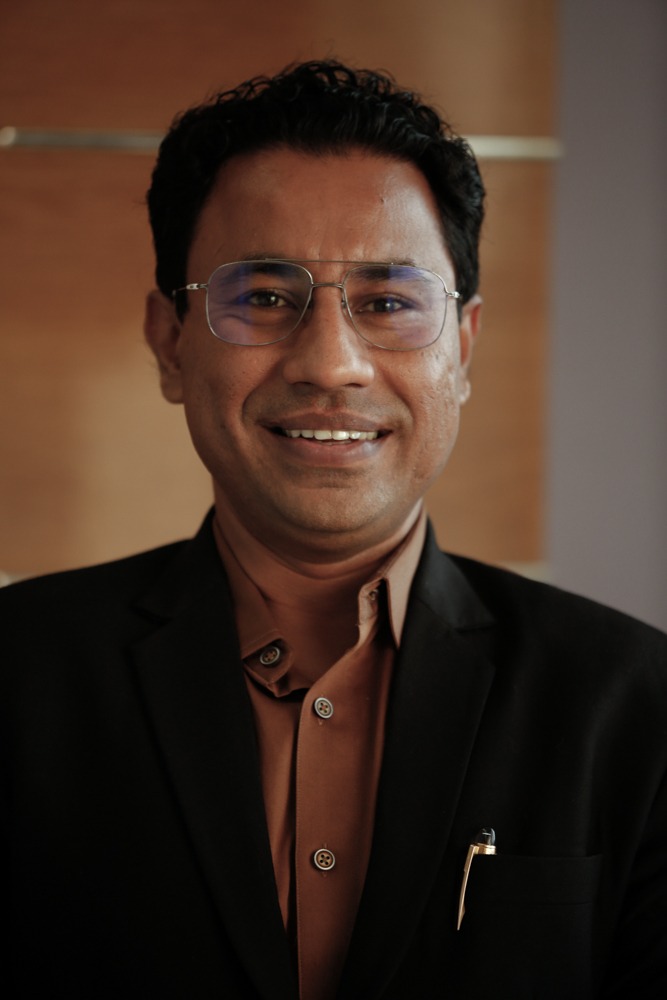
“Mumbai’s housing growth increasingly has to come from unlocking the potential of existing urban land. Redevelopment, when executed with the right planning, transparency and focus on resident rehabilitation, can create new homes while improving the quality of the existing urban fabric. The 30-lakh-home vision will require collaboration between government, developers, housing societies and communities, with execution and timely delivery being critical to its success,” says Arshad Lashkaria, CEO & Managing Director, Lashkaria Group.
The opportunity is particularly significant in the SRA segment. According to the JLL-NAREDCO report, Mumbai currently has 1,202 active slum rehabilitation projects covering more than 3.2 lakh hutments across approximately 2,156 acres. This represents a substantial redevelopment opportunity in a city where the availability of vacant land for large-scale housing development remains limited.
However, achieving the 30-lakh-home target will require more than simply approving projects. Execution, financing, regulatory approvals, rehabilitation arrangements and supporting infrastructure will be equally important. Cluster redevelopment, in particular, could allow fragmented parcels and ageing settlements to be planned at a larger neighborhood level, potentially creating more integrated residential communities.
“Cluster redevelopment can be a significant catalyst for Mumbai because it enables infrastructure, open spaces and residential development to be planned together rather than on a plot-by-plot basis. The key will be creating a framework that provides certainty for developers while ensuring that existing residents receive timely rehabilitation and long-term value from the redevelopment process,” says an industry expert.
For developers, the challenge will be to balance the interests of existing residents with the need to create financially viable projects and additional housing supply. For residents, the success of redevelopment will ultimately be measured by the quality and timeliness of rehabilitation, as well as the amenities and infrastructure delivered along with new homes.
The 30-lakh-home target is therefore not simply a construction challenge for the MMR. It is a test of whether redevelopment can evolve from individual projects into large-scale, well-planned urban renewal, delivering not only additional housing but also safer buildings, improved amenities and better-connected neighborhoods.