
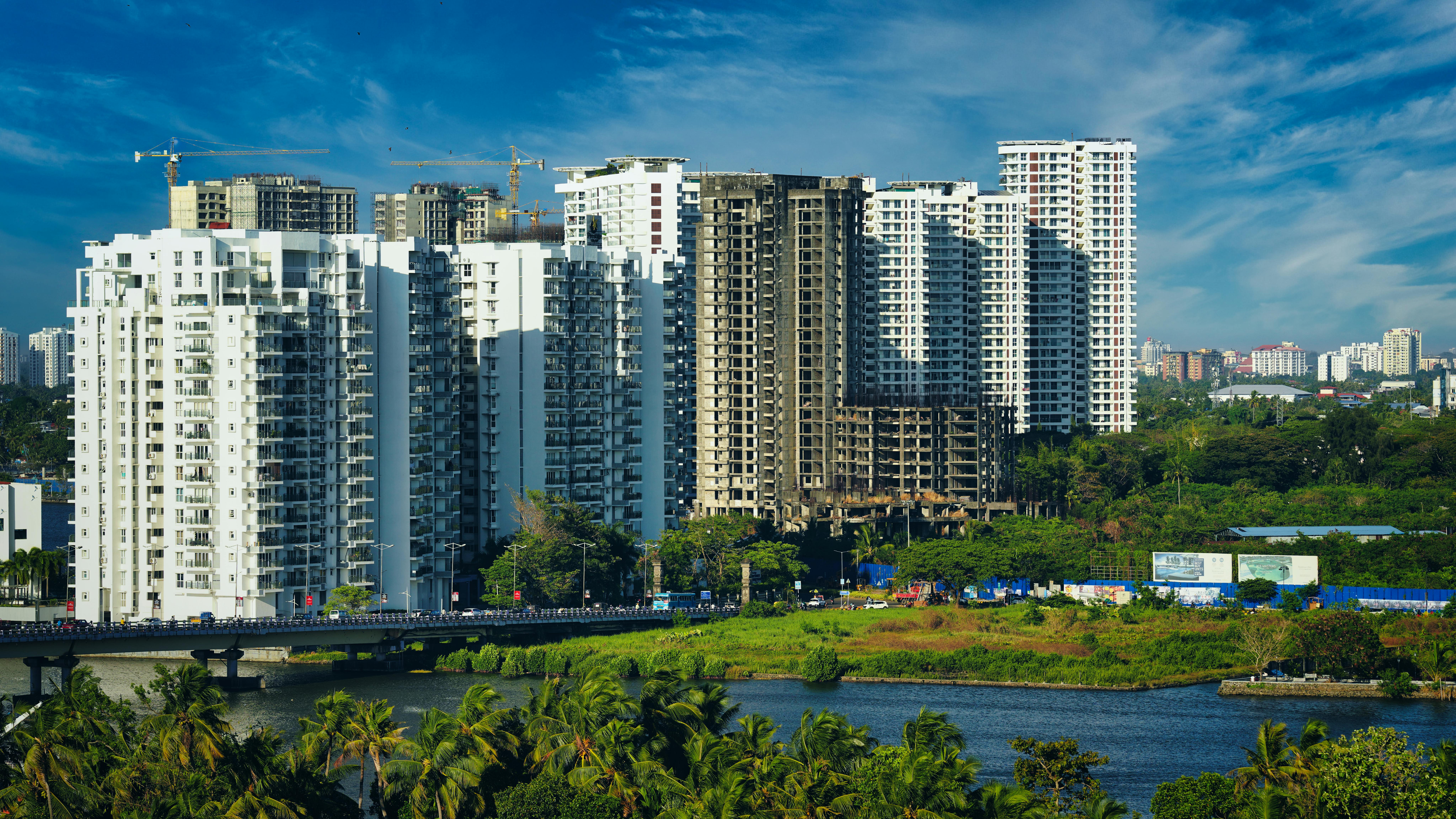
India’s real estate sector is entering a transformative phase as it approaches 2026. Driven by rapid urbanization, infrastructure expansion, and policy reforms, the market is evolving into a dynamic investment landscape. With a population exceeding 1.4 billion and a growing middle class, demand across residential, commercial, and industrial segments continues to rise, making real estate a compelling asset class for long-term investors.
Market Drivers Shaping Growth
Economic development remains central to real estate expansion. Government initiatives such as smart city development, expressway construction, and metro rail networks are significantly improving connectivity and livability in urban regions. These upgrades not only enhance property values but also stimulate local economies.
Additionally, taxation reforms and increased regulatory transparency have improved investor confidence. Streamlined processes have made property transactions more efficient, attracting both domestic and global capital into the sector.
Urban migration is another powerful catalyst. As more people move to cities for employment and better living standards, housing demand continues to surge. This is particularly evident in metropolitan and tier-1 cities, where both premium and affordable housing segments are expanding.
Key Trends Defining 2026
Several emerging trends are reshaping how investors approach real estate:
1. Digital Transformation
Technology is revolutionizing property transactions. Virtual property tours, AI-driven analytics, and blockchain-based documentation are making buying and selling faster, safer, and more transparent. Investors now rely heavily on digital platforms for research and decision-making.
2. Sustainable Development
Environmental consciousness is influencing real estate choices. Green buildings, energy-efficient designs, and eco-friendly materials are no longer optional—they are becoming standard. Properties with sustainability features are expected to command higher valuations over time.
3. Shift Due to Remote Work
The rise of flexible work models has changed residential preferences. Buyers are increasingly looking beyond crowded city centers toward suburban and peripheral areas that offer more space and better quality of life. This decentralization is opening up new investment hotspots.
High-Potential Investment Cities
Several Indian cities stand out for their growth potential in 2026:
- Bangalore: A leading tech hub with steady demand from IT professionals and startups, supported by ongoing infrastructure development.
- Pune: Offers relatively affordable property prices and strong demand driven by education and IT sectors.
- Hyderabad: Combines affordability with rapid job creation, especially in technology and business services.
- Mumbai: Despite high entry costs, it remains a key financial center with consistent long-term value due to redevelopment and infrastructure projects.
Each city caters to different investor profiles, from high-growth opportunities to stable, long-term investments.
Smart Investment Strategies
To succeed in 2026, investors must adopt flexible and diversified strategies:
- Residential vs. Commercial: Residential properties offer stable rental income, while commercial assets often deliver higher yields. A balanced mix can reduce risk.
- Rental vs. Flipping: Long-term leasing ensures steady cash flow, whereas property flipping can generate quick profits but requires market timing and capital.
- Portfolio Diversification: Investing across asset types and geographic regions helps mitigate market volatility and enhances resilience.
Policy and Regulatory Impact
Government initiatives continue to play a critical role in shaping the sector. Affordable housing schemes are expanding access to homeownership, while regulatory frameworks have improved accountability among developers.
Tax incentives, such as deductions on home loans and capital gains benefits, further enhance the attractiveness of property investment. Infrastructure expansion, particularly in emerging urban areas, is expected to unlock new growth corridors.
Risks to Consider
Despite its potential, real estate investment carries inherent risks:
- Market Volatility: Property prices can fluctuate due to economic cycles and demand shifts.
- Regulatory Changes: Policy updates may impact returns or project timelines.
- Infrastructure Gaps: Underdeveloped areas may face slower appreciation if connectivity and civic amenities lag behind.
- Evolving Buyer Preferences: Sustainability and lifestyle expectations are increasingly influencing demand.
Careful research and due diligence are essential to managing these risks effectively.
Role of Technology
Technology is becoming a cornerstone of modern real estate investment:
- Data Analytics enables smarter decision-making through market insights.
- Virtual Reality allows remote property evaluation, saving time and cost.
- Blockchain enhances transparency and reduces fraud in transactions.
These innovations are making the investment process more efficient and accessible.
Financing Options
Investors today have multiple funding avenues:
- Bank Loans: Traditional financing with structured repayment options.
- Crowdfunding Platforms: Allow smaller investors to participate in large projects.
- Peer-to-Peer Lending: Offers flexible borrowing terms.
- REITs (Real Estate Investment Trusts): Provide exposure to real estate without direct ownership.
These options make property investment more inclusive and adaptable to different financial capacities.
Future Outlook
The outlook for India’s real estate sector in 2026 remains highly positive. Continued urbanization, policy support, and technological advancement are expected to sustain growth. Emerging cities and suburban regions will likely play an increasingly important role, offering new opportunities beyond traditional markets.
However, success in this evolving landscape will depend on informed decision-making, strategic diversification, and the ability to adapt to changing market conditions.
Final Thought
India’s property market in 2026 presents a compelling mix of opportunity and complexity. Investors who stay informed, embrace innovation, and take a long-term view will be best positioned to capitalize on the sector’s growth potential.
