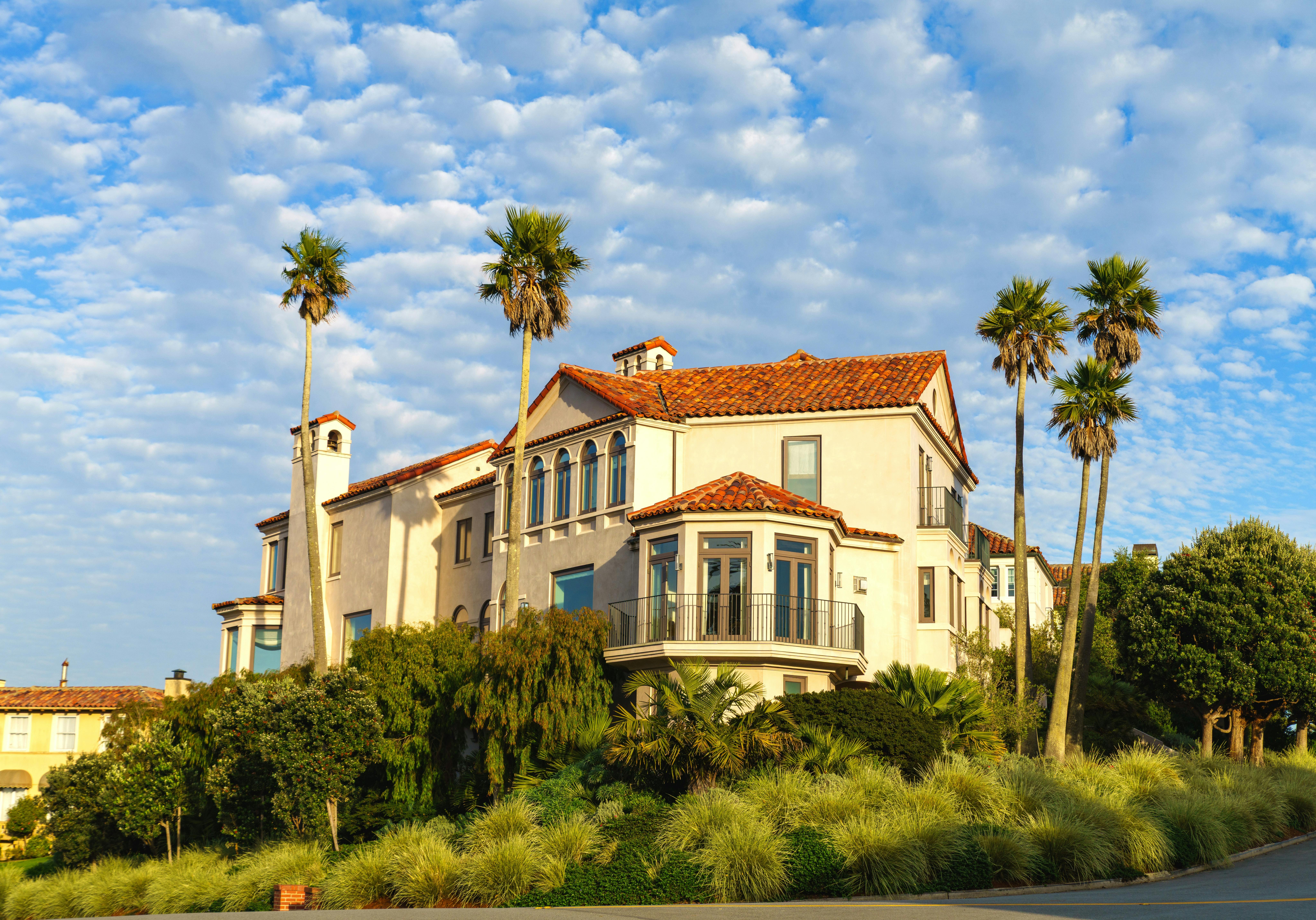
The luxury real estate market encompasses properties that surpass the standard features of average homes. High-end residences are typically priced at one million dollars or more, depending on the location, and often include superior construction, unique architecture, and expansive living spaces. These homes offer premium materials, state-of-the-art technology, and bespoke design elements, often located in prestigious neighborhoods with breathtaking views and access to exclusive amenities like golf courses, private schools, and upscale shopping. Beyond physical attributes, luxury properties provide exclusivity and a lifestyle that reflects success and personal status.
Factors Driving Demand for High-End Homes
The demand for luxury homes has grown significantly, driven by shifting demographics and lifestyle preferences. Millennials and Generation Z buyers are entering the market as affluent individuals, seeking homes that align with their comfort, sustainability, and exclusivity ideals. The COVID-19 pandemic accelerated this trend, as remote work increased the appeal of spacious suburban or rural properties with home offices and outdoor amenities. High-end real estate is also seen as a secure investment, offering protection against inflation and long-term value growth. Amenities such as private pools, gyms, and wellness features further enhance the appeal of these properties, making them more than just a place to live.
Economic Factors Shaping Luxury Real Estate
Luxury real estate is strongly influenced by broader economic factors. Interest rates directly impact affordability, with low rates encouraging high-end purchases and rising rates potentially reducing demand. Inflation often drives buyers toward tangible assets like upscale homes, perceived as stable investments. Job growth and economic stability also contribute to consumer confidence, encouraging affluent buyers to invest in properties that combine lifestyle and financial security. These economic indicators provide valuable insight into the forces shaping high-end housing markets.
The Impact of Remote Work on Property Choices
The rise of remote work has transformed buyer preferences, making location less about proximity to offices and more about lifestyle. Professionals now prioritize larger homes with dedicated workspaces, outdoor living areas, and recreational amenities. Suburban and rural locations have become highly attractive, offering space, privacy, and a sense of community. This shift reflects a broader desire for homes that serve both as productive work environments and long-term personal retreats.
Demographics of Luxury Home Buyers
Luxury home buyers are generally aged 30–55, with established careers in industries like technology, finance, and entrepreneurship. High disposable incomes, often exceeding $250,000 annually, allow them to invest in premium properties. Geographically, urban centers, coastal regions, and exclusive enclaves remain top destinations. Cities such as New York, Los Angeles, and Miami draw significant attention, while international buyers also seek U.S. luxury properties for investment or lifestyle reasons. Buyers pursue high-end homes to secure both financial growth and a prestigious living experience.
Technology in High-End Real Estate Sales
Technology has revolutionized luxury real estate marketing and sales. Virtual tours allow buyers to explore properties remotely, while online listings provide high-resolution images and detailed information. Social media platforms such as Instagram and Facebook are used to showcase homes through visually engaging content and storytelling, creating emotional connections with potential buyers. Digital marketing strategies, including targeted advertising, enhance visibility and attract affluent clients who expect a sophisticated, tech-driven approach.
Trends in Luxury Home Features and Amenities
Luxury buyers increasingly prioritize smart home technology, outdoor living spaces, and sustainable design. Smart systems offer convenience, security, and energy efficiency, while outdoor areas serve as retreats for entertaining and wellness. Sustainable features, such as solar panels and green materials, appeal to environmentally conscious buyers. These trends highlight a shift from pure opulence to functional, healthy, and lifestyle-oriented luxury living.
Geographical Hotspots in the Luxury Market
Certain regions dominate the luxury real estate market due to lifestyle, investment potential, and exclusivity. New York City’s Tribeca and Upper East Side, Los Angeles’ Beverly Hills and Malibu, Miami’s Coral Gables and South Beach, and the Bay Area’s San Francisco and Palo Alto are prime destinations. These areas offer world-class amenities, cultural attractions, and strong investment opportunities, drawing both domestic and international buyers.
Conclusion: Understanding Future Trends in Luxury Real Estate
The luxury real estate market continues to grow, shaped by changing lifestyles, remote work, and evolving buyer preferences. Future trends suggest sustained demand for spacious, amenity-rich homes in desirable locations. Smart technology, sustainability, and unique designs will continue to influence purchasing decisions, while limited inventory in established markets may drive price growth. By understanding these dynamics, buyers, sellers, and investors can navigate the competitive luxury market and capitalize on opportunities in high-end real estate.
