Dubai has become one of the world’s most attractive destinations for real estate investment. Over the past decade, strong economic growth, government reforms, and increasing global interest have driven rapid development in the city’s property market. Major initiatives and international events like have boosted tourism, business activity, and property demand, strengthening Dubai’s reputation as a global business and tourism hub. As a result, the real estate sector continues to grow, attracting both local and international investors seeking new opportunities.
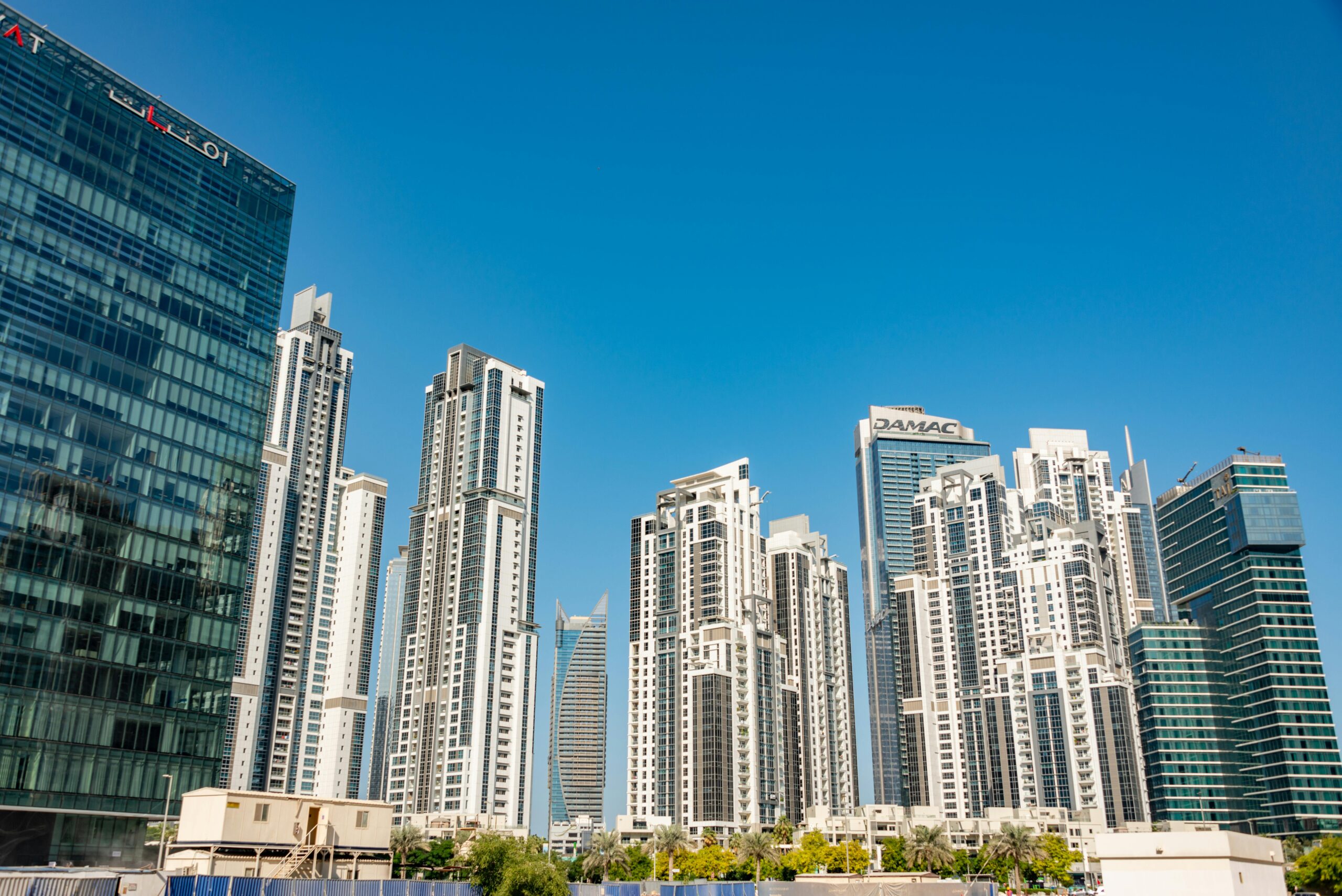
Current State of the Dubai Real Estate Market
Dubai’s real estate market has experienced notable growth in recent years. Increased demand for residential and commercial properties, combined with supportive government policies, has created a stable investment environment. The city’s diversified economy and strategic location between Europe, Asia, and Africa continue to attract global investors.
One of the key drivers of market growth is the rise in foreign investment. Many expatriates and international buyers see Dubai as an ideal location due to its high living standards, modern infrastructure, and business-friendly environment. The introduction of full ownership rights for foreigners in designated freehold areas has also encouraged property purchases.
Developers have responded to this demand by launching new residential projects, luxury apartments, and commercial spaces. Flexible payment plans and off-plan property options have further made investments more accessible to buyers.
Why Investors Are Interested in Dubai Real Estate
Several factors contribute to Dubai’s growing popularity as a real estate investment destination. One of the most significant advantages is the tax-friendly environment. Dubai does not impose income tax on individuals, property tax, or capital gains tax, allowing investors to retain a larger portion of their profits.
Another major attraction is the strong rental market. Dubai’s large expatriate population creates steady demand for rental properties. In many locations, rental yields range between 5% and 10%, which is considerably higher than returns in many major global cities.
Additionally, Dubai offers a wide variety of property options. Investors can choose from luxury waterfront apartments, family villas, affordable housing developments, and commercial properties. This variety allows investors to select assets that match their financial goals and risk preferences.
Market Trends and Property Performance
Dubai’s property market has demonstrated resilience even during global economic challenges. Recent market data indicates steady growth in property values, especially in premium areas such as Downtown Dubai and Dubai Marina. Demand in these areas continues to drive price appreciation.
Rental yields remain among the highest globally, attracting investors seeking stable income. Residential properties in well-developed communities often generate consistent rental returns, making them appealing long-term investments.
Supply levels have varied across different districts. While some areas experience high inventory due to new developments, prime locations continue to see strong demand. Developers are carefully adjusting supply to maintain market balance.
The long-term outlook for Dubai real estate remains positive as tourism, international business activity, and population growth continue to increase.
Government Initiatives Supporting Real Estate Growth
Government policies play a major role in strengthening Dubai’s property market. The UAE government has introduced several initiatives designed to attract international investors and increase market transparency.
One of the most notable initiatives is the Golden Visa program, which grants long-term residency to investors and property owners. Depending on the investment value, foreign investors can obtain residency for five to ten years. This policy has significantly increased interest in property purchases.
In addition, the government created the Real Estate Regulatory Agency (RERA) to regulate the property market. RERA ensures transparency in transactions, enforces regulations, and protects the rights of both buyers and sellers.
These reforms have increased investor confidence and strengthened Dubai’s reputation as a reliable investment destination.
Potential Risks in the Dubai Property Market
Although Dubai real estate offers strong investment potential, it is important for investors to understand the possible risks. One of the main challenges is market volatility. Property prices can fluctuate due to economic conditions, investor sentiment, and changes in demand.
External economic factors can also influence market performance. Global economic slowdowns, geopolitical issues, or fluctuations in oil prices can affect investor activity and tourism, which in turn impacts the property market.
Conducting thorough research and seeking professional advice can help investors minimize these risks.
Comparison with Other Global Real Estate Markets
Dubai often competes with global cities such as London, New York, and Singapore as a destination for property investment. Each of these markets offers unique advantages, but Dubai stands out in several key areas.
London remains a prestigious real estate market, but high property prices and increased taxation have made investments more expensive. Political and economic uncertainties have also influenced investor sentiment.
New York offers strong long-term stability but requires significant capital due to high property prices. Complex regulations and taxes may also reduce overall profitability.
Singapore has a stable economy and attractive business environment, but strict regulations on foreign property ownership limit opportunities for international investors.
Compared to these cities, Dubai offers relatively affordable entry prices, strong rental returns, and flexible ownership regulations. These factors make it an appealing alternative for global investors.
Financing Options for Property Investors
Investors in Dubai can access various financing options to support property purchases. Mortgages are widely available through local and international banks. Both fixed-rate and variable-rate mortgage options are offered.
Interest rates typically range between 2.5% and 4%, depending on market conditions and the borrower’s financial profile. Investors are encouraged to compare different lenders to find the most favorable financing terms.
Down payment requirements vary depending on residency status. Expatriate buyers usually need to pay between 20% and 25% of the property value as a down payment. UAE nationals may qualify for slightly lower requirements.
Additional costs, including property registration fees, administrative charges, and legal expenses, should also be considered when planning an investment.
Future Outlook for Dubai Real Estate
The future of Dubai’s real estate market appears promising. Several factors are expected to support long-term growth in the sector. Ongoing infrastructure projects, including metro expansions and smart city developments, will improve connectivity and increase property demand.
The government’s strategy to diversify the economy beyond oil is also contributing to sustainable growth. Expanding sectors such as technology, finance, tourism, and trade continue to attract businesses and professionals to the city.
Tourism growth is another major driver of real estate demand. Dubai remains one of the world’s most visited cities, and increasing visitor numbers create demand for hotels, serviced apartments, and rental properties.
As more expatriates relocate to Dubai for work and lifestyle opportunities, the residential property market is expected to expand further.
Conclusion
Dubai’s real estate market offers significant opportunities for both new and experienced investors. Strong rental yields, favorable tax policies, and investor-friendly regulations make the city one of the most appealing property markets globally.
Government initiatives, economic diversification, and continuous infrastructure development are expected to support long-term market growth. While potential risks exist, careful planning and market research can help investors make informed decisions.
For those seeking international real estate opportunities, Dubai remains a competitive and promising investment destination. With the right strategy and timing, investors can benefit from the city’s expanding property market and dynamic economic environment.