
In 2026, retail real estate is witnessing a strategic shift where high-street investments offer higher rental yields and better operational flexibility, while malls are pivoting toward experience-driven, curated spaces. High streets are outperforming in convenience-driven areas, whereas modern, well-managed malls remain top destinations for entertainment-led, long-dwell-time retail.
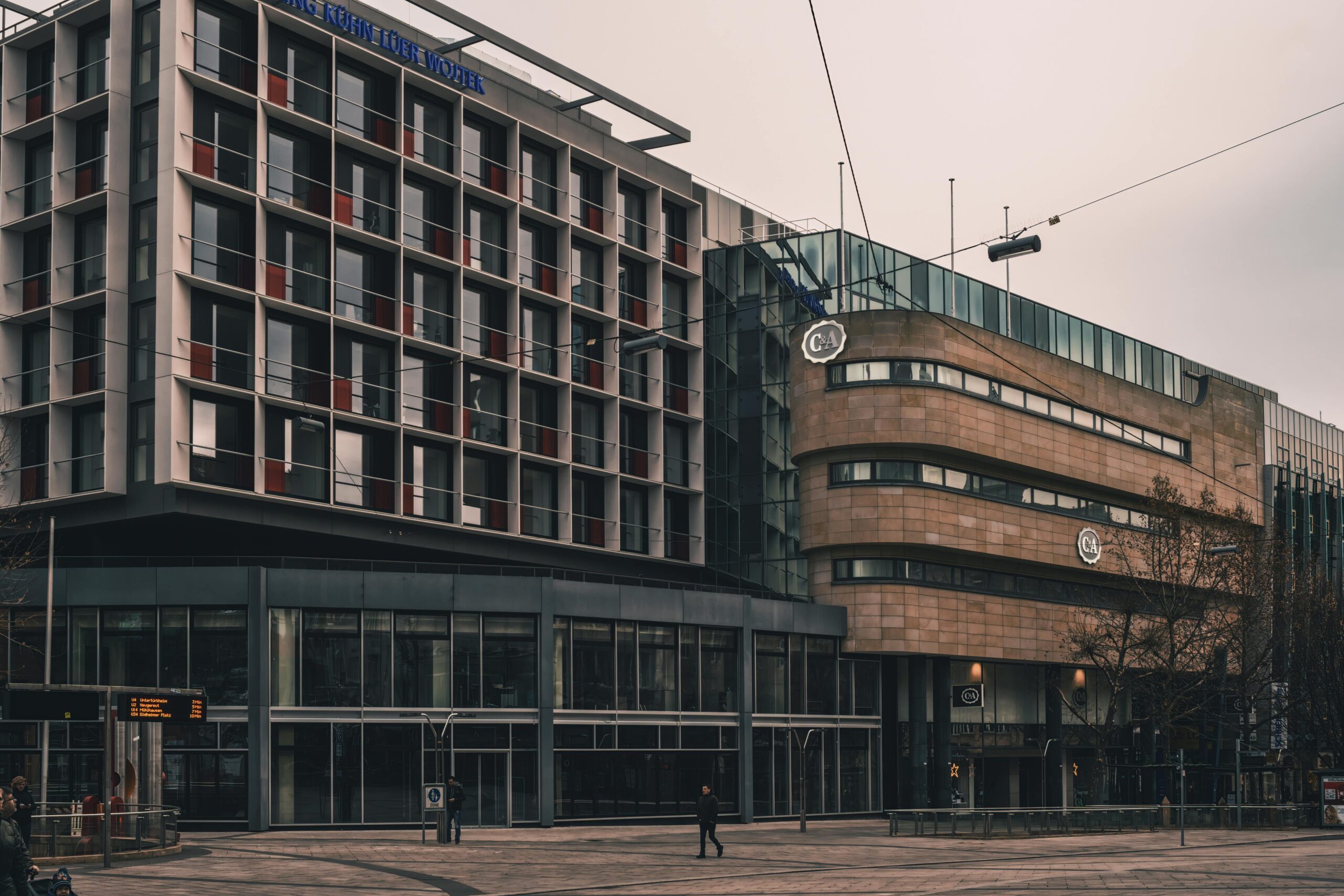
- Performance: Offers superior rental yields of 10–12% compared to ~8% in malls.
- Flexibility & Costs: Provides higher operational flexibility with lower common area maintenance (CAM) charges, allowing owners to control costs better.
- Demand Drivers: Neighbourhood high streets and retail clusters are highly sought after due to high visibility, accessibility, and demand from convenience-focused consumers.
- Efficiency: High-street spaces often have higher efficiency (up to 80% usable space).
- Reinvention: The market is moving away from building new large-scale malls towards upgrading existing, underperforming “ghost malls” (roughly 4.8 million sq. ft. identified for retrofitting).
- Experience & Convenience: Malls thrive on providing a climate-controlled environment, curated food and beverage (F&B) options, entertainment, and leisure, creating high footfall.
- Demand Gap: While demand for quality mall space is strong, the pipeline is limited (approx. 5.9 million sq. ft. vs 10-11 million sq. ft. demand), which may lead to rental appreciation in Grade-A properties.
- Micro-Market Focus: Investment success is heavily dependent on location, with a focus on areas with high residential density.
- Regional Expansion: Tier-II and Tier-III cities are witnessing high demand for organized retail, with a preference for mid-sized shopping centers and retail-cum-warehouse hubs.
- Technology & Sustainability: Investors are favoring assets that incorporate technology for energy efficiency and consumer analytics.
Current Trends in Retail Real Estate
Consumer expectations have shifted significantly in recent years. Shoppers now prioritize experiences, convenience, and personalized engagement over merely purchasing products. E-commerce continues to capture a growing share of retail sales—nearly 20% in the U.S. as of late 2022—prompting physical retailers to rethink their value propositions. Foot traffic and in-store engagement have become critical, especially for malls and urban high streets aiming to compete with online alternatives.Economic pressures such as inflation also influence consumer behavior. Shoppers are becoming more discerning, often prioritizing value over brand loyalty. Retailers and landlords must adapt by offering mixed-use spaces that integrate shopping with entertainment, dining, and lifestyle experiences. For high streets, this translates to vibrant, community-focused locales that cater to local needs and encourage repeat visits.
Investment Patterns: Malls vs High Streets
Historically, malls dominated retail real estate investments, attracting capital due to their multi-tenant layouts and high footfall. However, changing shopping habits and declining in-person visits have diminished their appeal. Investors are increasingly cautious, favoring redevelopment opportunities or mixed-use conversions that incorporate residential and leisure components alongside retail.High streets, by contrast, are experiencing a resurgence. Their advantages lie in consistent pedestrian traffic, lower operational costs, and strong visibility for brands. Urbanization trends continue to drive demand for centrally located high street properties, with diverse local demographics supporting a wide range of retail offerings.
Challenges Facing Malls
Malls face multiple challenges. Store closures, driven by online competition, reduce footfall and tenant diversity. Changing consumer preferences, especially among younger shoppers, emphasize experiences over traditional retail, putting pressure on malls to reinvent themselves. Financial concerns further complicate investment, as landlords seek tenants that can adapt to evolving trends. The successful malls of the future are likely to be those that embrace mixed-use formats, combining retail, entertainment, and lifestyle amenities to create immersive experiences.
High Street Advantages
High streets offer distinct advantages over malls, particularly in urban centers. Consistent foot traffic from local residents, commuters, and tourists ensures visibility and potential sales for retailers. The diverse demographics of high street areas allow businesses to tailor offerings to local preferences, building loyalty and repeat customers. Flexibility in leasing and the ability to experiment with seasonal or niche concepts further enhance the appeal of high streets. Additionally, urbanization ensures a growing consumer base, making high streets hubs for both shopping and social engagement.
Future Outlook for 2026
Looking ahead, technology and consumer expectations will continue to shape retail real estate. Both malls and high streets are likely to integrate smart technologies, including augmented reality (AR) and virtual reality (VR), to create immersive shopping experiences. Omnichannel strategies—blending online convenience with in-person engagement—will be crucial to attracting foot traffic. Sustainability will also become a priority, with energy-efficient designs and eco-conscious retail offerings resonating with environmentally aware consumers.
Economic fluctuations will influence investment decisions, emphasizing the need for adaptability and diversification. Malls that offer mixed-use experiences and high streets with diverse, locally relevant tenants are likely to remain competitive. Investors will need to carefully evaluate tenant quality, location dynamics, and emerging trends in technology and consumer behavior to maximize returns.
Conclusion
Retail real estate in 2026 will demand strategic adaptability. Malls must reinvent themselves with experience-driven and mixed-use offerings, while high streets benefit from accessibility, community engagement, and flexible retail formats. A diversified investment approach that leverages the unique advantages of each segment, coupled with careful analysis of trends and consumer behavior, will enable investors to navigate a rapidly evolving landscape and secure sustainable growth.