
Comprehensive Guide to Commercial Real Estate Investment: Office, Retail, and Warehousing
Commercial real estate investments in office, retail, and warehousing generally offer higher rental yields (6–10%) and longer leases than residential properties. Warehousing is currently the fastest-growing sector driven by e-commerce, while premium office spaces in tech hubs remain stable, and high-street retail offers high-visibility, albeit riskier, returns.
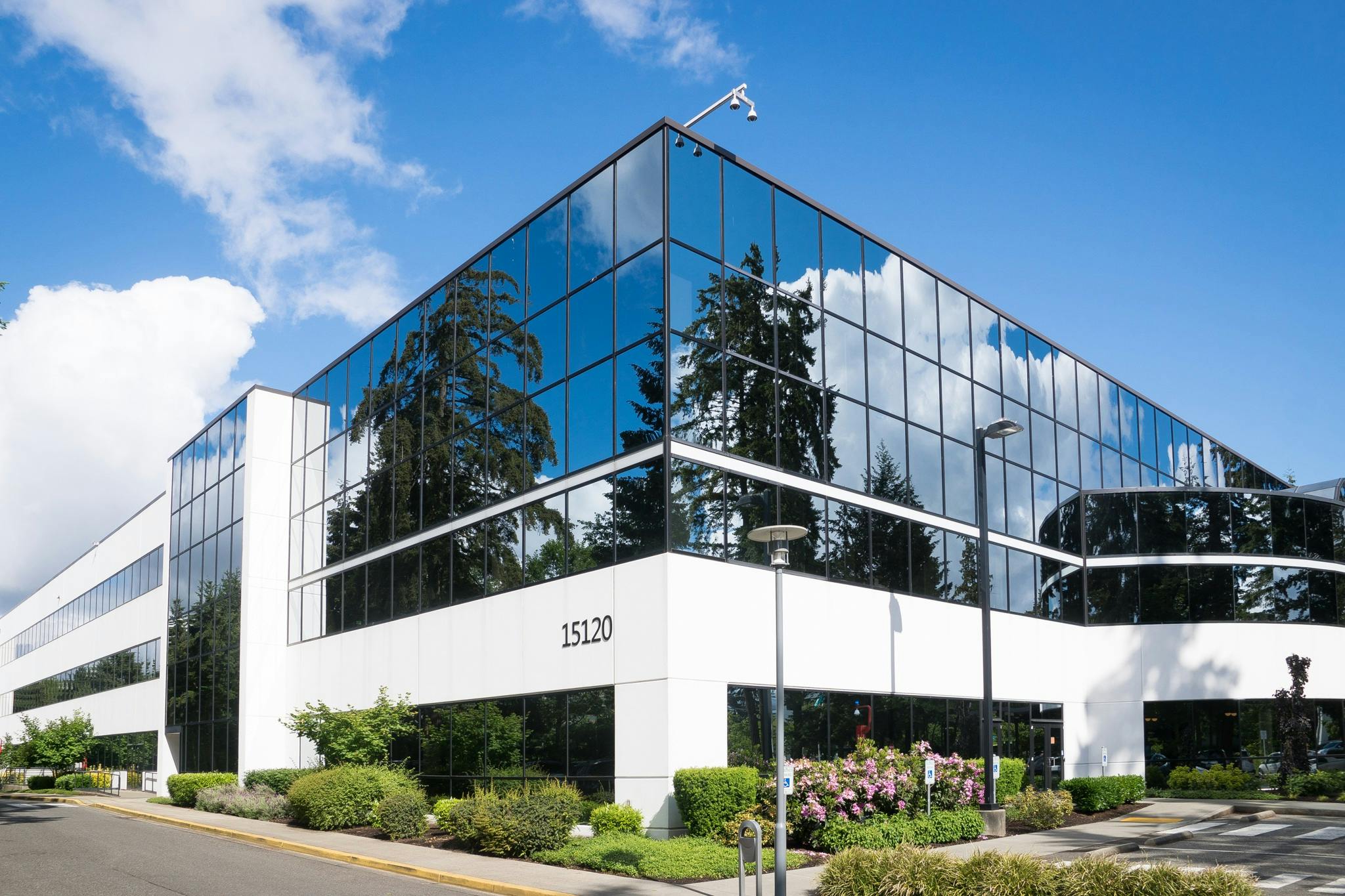
What Is Commercial Real Estate?
Properties utilized solely for business or revenue-generating reasons are referred to as commercial real estate (CRE). These buildings, which offer better rental yields and long-term lease security, are leased to businesses, merchants, or institutions, in contrast to residential assets.
Common Commercial Property Types Consist of:
- IT parks and office towers
- Showrooms and retail locations
- Logistics parks and warehouses
- Flexible office spaces and co-working
- Manufacturing and industrial facilities
- Mixed-use business projects
Each of these commercial property types offers a unique risk-return profile and fulfills a certain business need.
Types of Commercial Real Estate Investments
1. Workspaces
The commercial sector is still dominated by office space, particularly in Bengaluru, Hyderabad, Pune, and Mumbai. Long-term leases are preferred by corporations because they guarantee investors steady income.
2. Commercial Retail Space
High-street or mall locations offer excellent exposure and foot traffic for retail establishments. Retail commercial space in strategic locations frequently yields steady rental revenue and quicker appreciation.
3. Logistics & Warehousing
The expansion of e-commerce has made warehousing one of the business sectors with the quickest rate of growth. Grade-A logistics facilities are actively leased by major brands in important corridors.
4. Property in Commerce
Manufacturing, assembling, and storing are best done in industrial units. These assets provide a strong long-term return on investment and function effectively in growing industrial belts.
5. Flexible Offices & Co-Working
Co-working spaces are a high-yield commercial asset since they enable landlords to receive premium rentals per desk due to the growing hybrid work culture.
Advantages of Commercial Real Estate Investing
Better Rental Income
Rental yields from commercial properties are usually between 7% and 12%, which is far greater than that of residential assets.
Security of Long-Term Leases
In order to lower the risk of vacancy and income changes, commercial renters frequently accept lease agreements that last three to nine years.
Consistent Tenant Profile
When thoroughly screened, businesses and corporate tenants provide consistent and dependable income flows.
Appreciation of Capital
Commercial property for sale benefits from business expansion, metro connectivity, and infrastructure upgrades.
Diversification of Portfolios
Your investment portfolio will be more balanced because commercial real estate has a lesser association with stock market volatility.
Benefits of Taxation
Deductions are available for costs including maintenance, depreciation, and loan interest.
Why Investing In Commercial Real Estate in 2026 Is a Good Idea
- The need for flexible office space is growing due to the hybrid work culture.
- The rise of warehousing and logistics is being driven by digital commerce.
- For smaller investors, REITs are providing opportunities.
- Commercial sector FDI inflows are still increasing.
- Business districts are changing as a result of infrastructure projects.
It’s the perfect time to purchase commercial property for both income and appreciation because of all these considerations.
Risks Involved in Commercial Real Estate Investment
- Large upfront investment of money
- Demand for businesses is impacted by market cycles
- Longer periods without a tenant if they leave
- Requirements for active supervision
These risk factors can be considerably decreased with appropriate research and expert advice.
Strategies for Successful CRE Investment
Achieving success in commercial real estate requires a multi-faceted approach:
-
Market Research: Analyze property values, trends, and demographic patterns to identify promising locations.
-
Financial Analysis: Assess cash flow, ROI, net operating income (NOI), and cap rates to gauge investment viability.
-
Property Management: Effective management ensures tenant satisfaction, reduces vacancies, and maintains asset value.
-
Professional Team: Engage real estate agents, attorneys, accountants, and property inspectors to navigate complex transactions.
Financing Options for CRE Investments
Investors can leverage multiple financing avenues:
-
Traditional Mortgages: Long-term loans with fixed interest rates, requiring substantial documentation and down payments.
-
SBA Loans: Favorable for owner-occupiers, offering low down payments and flexible terms.
-
Private Equity: Partnerships with real estate-focused firms provide capital in exchange for equity or returns.
-
Syndications: Pooling resources with other investors to acquire large-scale properties, reducing individual risk.
Understanding each financing option’s structure, benefits, and implications is essential for strategic investment planning.
Comparative Analysis: Office vs. Retail vs. Warehousing
| Feature | Office Spaces | Retail Spaces | Warehousing (Industrial) |
|---|---|---|---|
| Primary Purpose | Operational hub, corporate work. | Direct-to-consumer sales. | Storage, distribution, fulfillment. |
| Location | CBDs, business districts. | High-traffic areas, malls, high streets. | Industrial zones, transportation hubs. |
| Investor Returns | Stable (6-9% annually). | High volatility, high yield (8-12% annually). | Strong, fast recovery, high demand. |
| Layout/Design | Professional, office suites. | Aesthetic, customer-friendly. | Functional, high ceilings, docking. |
| Lease Terms | Long-term, corporate tenants. | Varies, dependent on footfall. | Flexible, often shorter/scalable. |
| Key Trends | Hybrid work, flexible spaces. | E-commerce competition. | Automation, 3PL services. |
Challenges and Risks
CRE investment comes with inherent risks, including:
-
Economic Fluctuations: Vacancies may rise during downturns, affecting rental income.
-
Market Competition: High property prices and strong competitors can limit opportunities.
-
Operational Risks: High vacancy rates or poor tenant management can reduce returns.
Mitigation strategies include diversifying property types, securing long-term leases, and leveraging professional property management services.
Conclusion
Commercial real estate investment offers opportunities for stable income, portfolio growth, and strategic diversification. By understanding office, retail, and warehousing sectors, analyzing market trends, and leveraging financing and management strategies, investors can navigate the complex CRE landscape effectively. The future of CRE lies in adaptability, technology integration, and sustainable development, rewarding those who stay informed and proactive.