Infrastructure is one of the most influential drivers of real estate value. It forms the foundation upon which communities develop, businesses expand, and property markets grow. Roads, public transport, utilities, communication systems, and civic amenities collectively determine how livable, accessible, and economically viable a location becomes.When infrastructure is strategically planned and efficiently executed, it not only enhances daily life but also significantly increases property demand, long-term appreciation, and investment returns.
Why Infrastructure Matters in Real Estate
At its core, infrastructure determines usability and accessibility. Properties located in areas with strong transportation networks, reliable utilities, and access to essential services tend to attract more buyers and tenants.
Improved Accessibility
Well-maintained roads, highways, rail systems, and public transport reduce commute times and improve connectivity to employment hubs, schools, healthcare facilities, and recreational centers. As accessibility improves, so does demand — often resulting in higher property prices and stronger resale potential.
Enhanced Livability
Infrastructure also shapes quality of life. Parks, community spaces, healthcare facilities, educational institutions, and retail centers contribute to neighborhood appeal. When residents experience convenience and comfort, the location becomes more desirable, supporting steady value appreciation.
In essence, infrastructure strengthens both functional value and emotional appeal — two critical factors in property valuation.
The Role of Concrete Foundations in Property Value
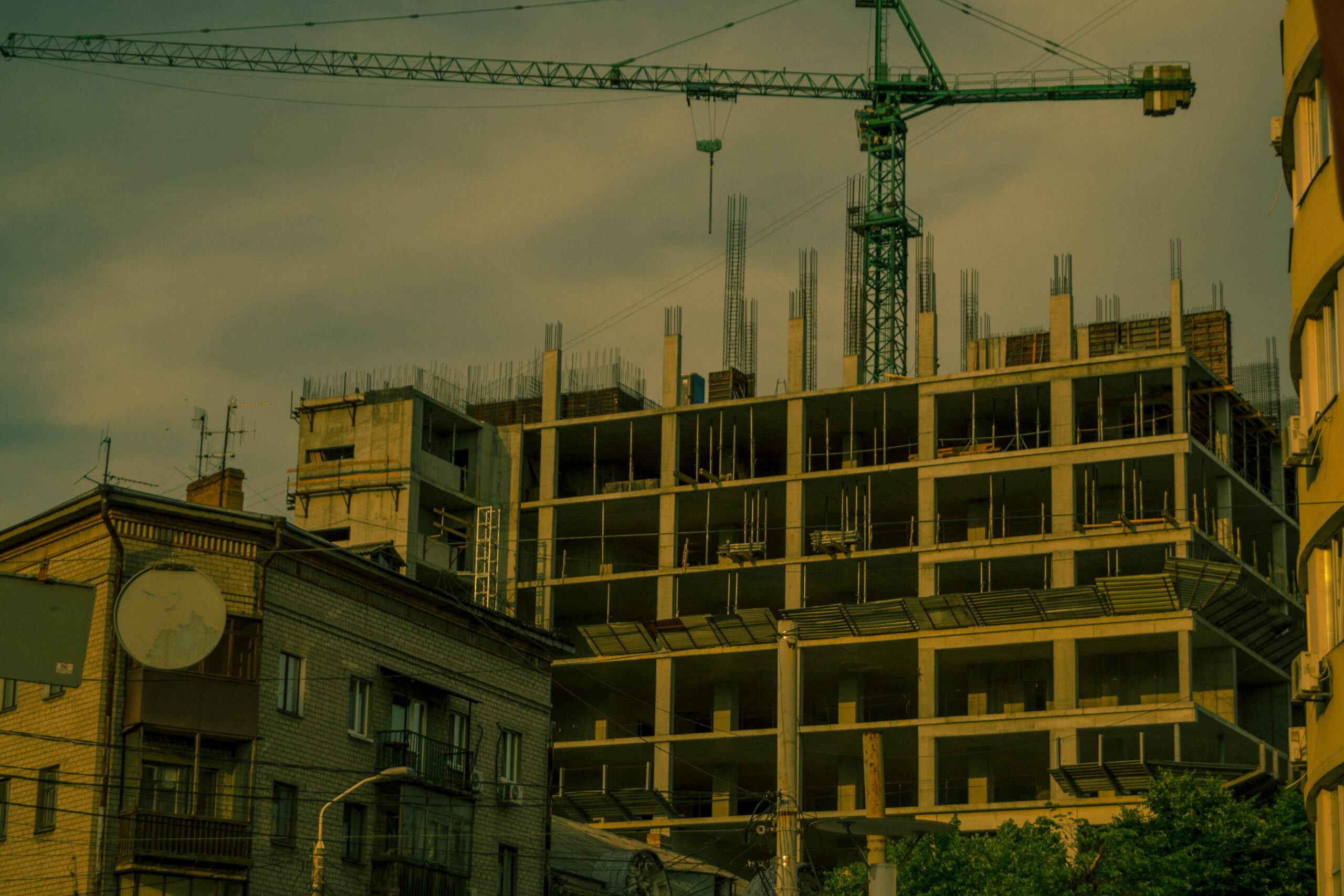
Beyond external infrastructure, the structural foundation of a property significantly influences long-term value. Concrete foundations are essential for stability, safety, and durability.
Common Types of Foundations
-
Slab-on-Grade: A solid concrete base poured directly on prepared ground, commonly used in regions with stable soil conditions. It is cost-effective and requires minimal excavation.
-
Crawl Space Foundation: Elevates the structure above ground level, allowing access for plumbing and electrical systems while reducing moisture risks.
-
Full Basement Foundation: Extends below ground, offering additional living or storage space and improved insulation, though it requires more complex waterproofing and excavation.
A properly constructed foundation minimizes structural risks such as soil shifting, cracking, and water infiltration. Since structural integrity directly affects long-term maintenance costs and buyer confidence, high-quality foundations significantly enhance resale value.
Infrastructure as a Catalyst for Economic Growth
Infrastructure investment does more than support property usability — it drives economic expansion.
Transportation and Business Growth
Efficient transport systems reduce logistics costs and improve workforce mobility. This attracts businesses, increases employment opportunities, and stimulates local economic activity. As businesses expand into well-connected areas, demand for both residential and commercial real estate rises.
Reliable Utilities and Services
Access to dependable electricity, water supply, telecommunications, and waste management systems is essential for both households and commercial enterprises. Regions offering stable services are more attractive to industries and investors, leading to increased property development and market appreciation.
Importantly, infrastructure and economic growth reinforce one another. Improved infrastructure attracts business activity, which generates tax revenue that can fund further development — creating a sustainable growth cycle.
Infrastructure and Property Market Trends
Historical patterns consistently show a strong correlation between infrastructure upgrades and property appreciation.
When new transit corridors, highways, or civic projects are announced, property demand often increases even before completion. Early investors typically benefit from value appreciation as projects progress.
Modern urban trends such as smart city development, integrated transit systems, and mixed-use planning further amplify real estate value. Technological integration — including smart traffic systems and energy-efficient utilities — enhances convenience and sustainability, increasing long-term market appeal.
The data-driven approach to urban planning is reshaping property markets, making infrastructure planning a key indicator of future real estate growth.
Impact on Residential Real Estate
Local infrastructure heavily influences homebuyer decisions. Key factors include:
Schools and Education
Access to reputable schools significantly increases residential desirability. Homes located within strong school districts often command premium prices due to consistent buyer demand.
Parks and Recreation
Green spaces, playgrounds, and recreational facilities enhance lifestyle quality. These amenities foster community interaction and positively impact property values.
Healthcare Access
Proximity to hospitals and clinics increases neighborhood attractiveness, particularly for families and senior residents. Convenience and safety considerations often influence purchase decisions.
Transportation Connectivity
Efficient public transport and highway access reduce commuting burdens. Neighborhoods with strong connectivity generally experience stronger price stability and appreciation.
Collectively, these infrastructure elements elevate both functional convenience and perceived neighborhood quality.
Commercial Real Estate and Infrastructure Development
For commercial real estate, infrastructure is a strategic advantage.
Businesses prioritize locations with:
-
Strong transportation connectivity
-
Reliable utilities
-
Advanced communication networks
-
Access to skilled labor
Improved infrastructure increases operational efficiency and customer accessibility, making commercial districts more attractive to tenants. As demand grows, rental rates and property values typically rise.
Infrastructure upgrades can also transform underdeveloped areas into thriving commercial hubs, generating long-term economic momentum.
Future Trends Shaping Real Estate Through Infrastructure
Infrastructure is evolving rapidly, and several emerging trends are influencing real estate markets:
Smart City Integration
Technology-driven urban systems improve traffic flow, energy usage, and public services. Smart infrastructure enhances convenience and sustainability, increasing property demand.
Sustainable Development
Green buildings, renewable energy systems, and environmentally conscious urban planning are increasingly prioritized. Properties aligned with sustainability standards often achieve stronger long-term valuation.
Data-Driven Urban Planning
Advanced analytics allow planners to forecast growth patterns and optimize land use. This leads to more efficient development, which positively impacts real estate stability and appreciation.
As cities modernize, infrastructure innovation will continue to redefine property value benchmarks.
Challenges in Infrastructure Development
Despite its importance, infrastructure development faces several obstacles:
Funding Limitations
Large-scale projects require significant capital investment. Budget constraints can delay or limit necessary upgrades.
Regulatory Complexities
Lengthy approval processes and compliance requirements often slow development timelines.
Environmental Considerations
Sustainability regulations and environmental impact assessments add complexity to planning and execution.
Community Resistance
Public opposition to certain projects can create delays or redesigns, affecting investment timelines.
When infrastructure development stalls, real estate markets may experience slowed growth or reduced investor confidence.
The Symbiotic Relationship Between Infrastructure and Real Estate
Infrastructure and real estate value are deeply interconnected. High-quality infrastructure increases property demand, strengthens economic growth, and enhances long-term appreciation. In turn, rising property values generate tax revenues that fund future infrastructure improvements.
For investors, developers, and policymakers, recognizing this relationship is essential. Strategic alignment between infrastructure planning and real estate development leads to:
-
Stronger market stability
-
Higher investment returns
-
Improved community livability
-
Sustainable urban growth
Conclusion
Infrastructure is a primary engine of property appreciation, shaping accessibility, livability, and economic vitality. Well-planned transportation networks, reliable utilities, strong community amenities, and solid structural foundations increase demand, strengthen investor confidence, and support sustainable market growth. As infrastructure and real estate development reinforce one another, strategic planning becomes essential for maximizing long-term value and building resilient, thriving communities.