Purchasing a home is one of the most significant investments many individuals make in their lifetime. A home inspection is a vital step in this process, serving as a safeguard against hidden issues that may compromise the property’s safety or value. By providing a thorough assessment of a home’s condition, inspections empower buyers to make informed decisions and approach their purchase with confidence.
What a Home Inspection Entails
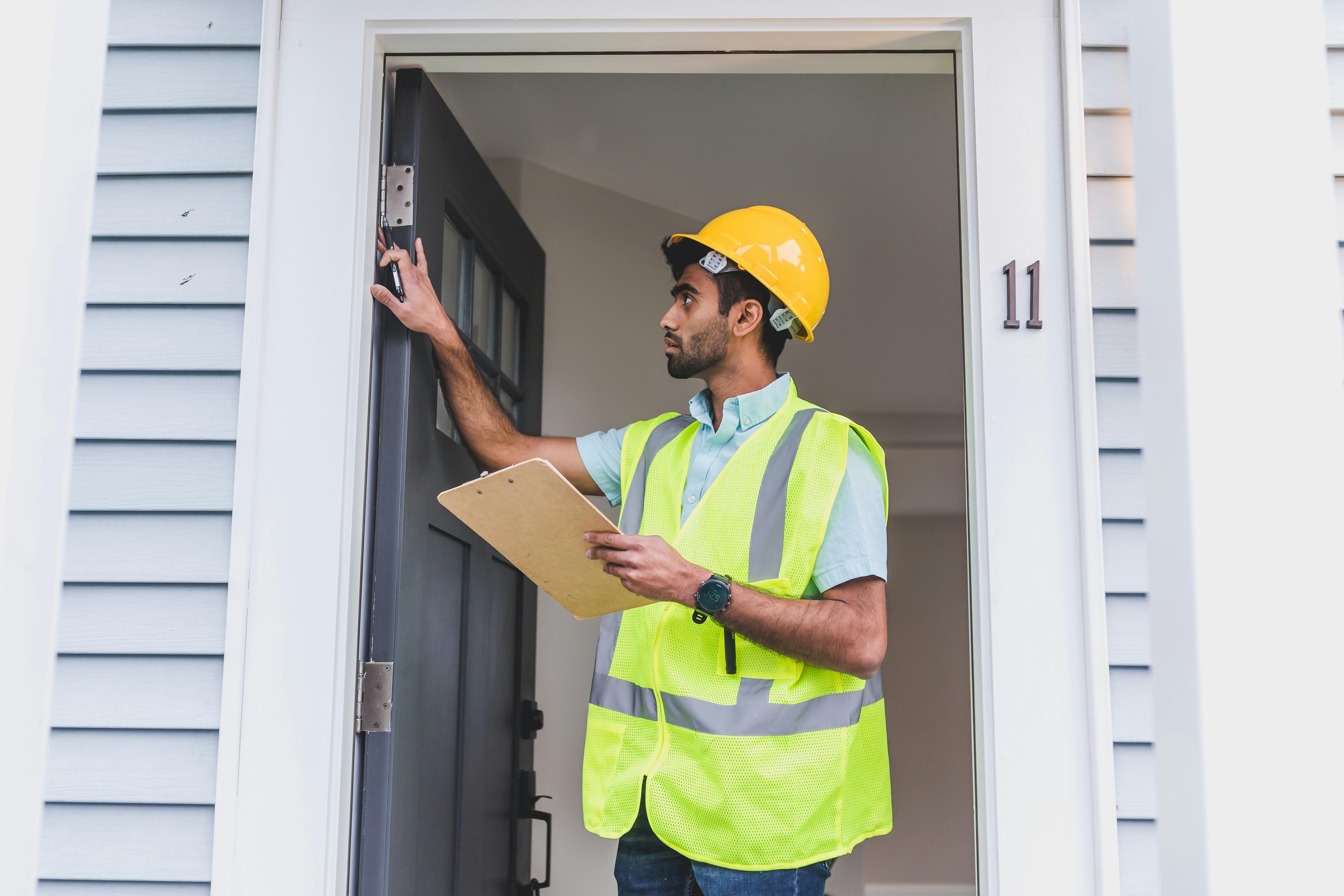
Home inspections are conducted by trained and experienced professionals who evaluate various components of a property. Their role extends beyond simply noting cosmetic flaws; they examine critical systems such as structural integrity, electrical wiring, plumbing, roofing, HVAC systems, insulation, and safety features.
Typically, the inspection begins when the buyer hires a certified home inspector. The inspector carefully examines both the interior and exterior of the property, documenting findings and identifying areas that may require maintenance or repair. This process usually takes several hours, culminating in a detailed report that outlines existing problems and potential risks.
A thorough home inspection not only highlights current deficiencies but also serves as a preventive measure, allowing buyers to negotiate repairs, request price adjustments, or reconsider their purchase if significant issues are found. Beyond financial implications, the inspection provides peace of mind, ensuring the home is safe, functional, and a sound investment.
Key Areas Evaluated During a Home Inspection
Structural Integrity
The foundation, walls, floors, and roof form the backbone of a home, making structural evaluation a top priority. Inspectors check for foundation cracks, uneven floors, or signs of settling that may indicate serious issues. Roofs are assessed for wear, missing shingles, and drainage problems, which, if left unaddressed, can lead to leaks and mold growth. Walls and floors are examined for signs of water damage, pest infestations, and other structural concerns. Identifying these issues early protects buyers from potential hazards and costly repairs.
Electrical Systems
A safe and reliable electrical system is essential for any home. Inspectors examine the breaker panel, wiring, outlets, and grounding systems to ensure they meet safety standards. They look for outdated or damaged wiring, proper placement of outlets, and functioning GFCI outlets in wet areas. Ensuring the electrical system is up to code minimizes fire risks and provides buyers with confidence in their home’s safety.
Plumbing Systems
Plumbing inspections involve evaluating pipes, fixtures, and drainage systems. Inspectors check for leaks, corrosion, water pressure issues, and the proper functioning of faucets, toilets, and bathtubs. Proper plumbing prevents water damage, mold growth, and costly repairs in the future. By understanding the state of the plumbing system, buyers can negotiate necessary repairs or anticipate maintenance needs.
Heating and Cooling Systems
Inspectors assess HVAC systems, including furnaces, air conditioners, and ductwork. They examine the age, condition, and efficiency of these systems, checking for leaks, wear, or insufficient performance. Properly functioning heating and cooling systems ensure comfort, energy efficiency, and a reduced risk of unexpected repair costs.
Roofing and Exterior Features
The roof and exterior are a home’s first line of defense against the elements. Inspectors evaluate roofing materials, signs of wear or damage, drainage systems, gutters, siding, windows, and other exterior components. Addressing issues in these areas can prevent water infiltration, structural deterioration, and long-term maintenance problems.
Insulation and Ventilation
Proper insulation and ventilation are essential for energy efficiency and indoor air quality. Inspectors assess the type, quality, and installation of insulation, along with ventilation systems such as vents, exhaust fans, and ductwork. Effective insulation and ventilation reduce energy costs, prevent moisture buildup, and maintain a comfortable indoor environment.
Pest Infestations and Environmental Hazards
Inspectors also evaluate the presence of pests like termites, rodents, or insects that could compromise structural integrity or health. Environmental hazards, such as mold or radon gas, are equally important. Mold thrives in damp areas, potentially causing respiratory issues, while radon exposure poses long-term health risks. Detecting these hazards early allows buyers to address them before committing to a purchase.
Next Steps After a Home Inspection
Once the inspection report is complete, buyers should review it carefully. The report highlights areas of concern, helping buyers determine whether to negotiate repairs, request concessions, or, in extreme cases, reconsider the purchase. Consulting a real estate agent or attorney can help in understanding the implications of the findings and formulating the next steps.
A home inspection is more than a routine formality it is an essential tool for informed decision-making. By thoroughly evaluating the property’s condition, buyers can protect their investment, ensure safety, and approach homeownership with confidence. Ultimately, a well-conducted inspection provides peace of mind, knowing that the home you are about to purchase meets your standards for quality, safety, and long-term value.